When most people think of South Korea, they picture modern skyscrapers, K-pop, technology, and bustling streets. However, the country’s recent history is rooted in a much harsher and darker past than the modern face we see today.
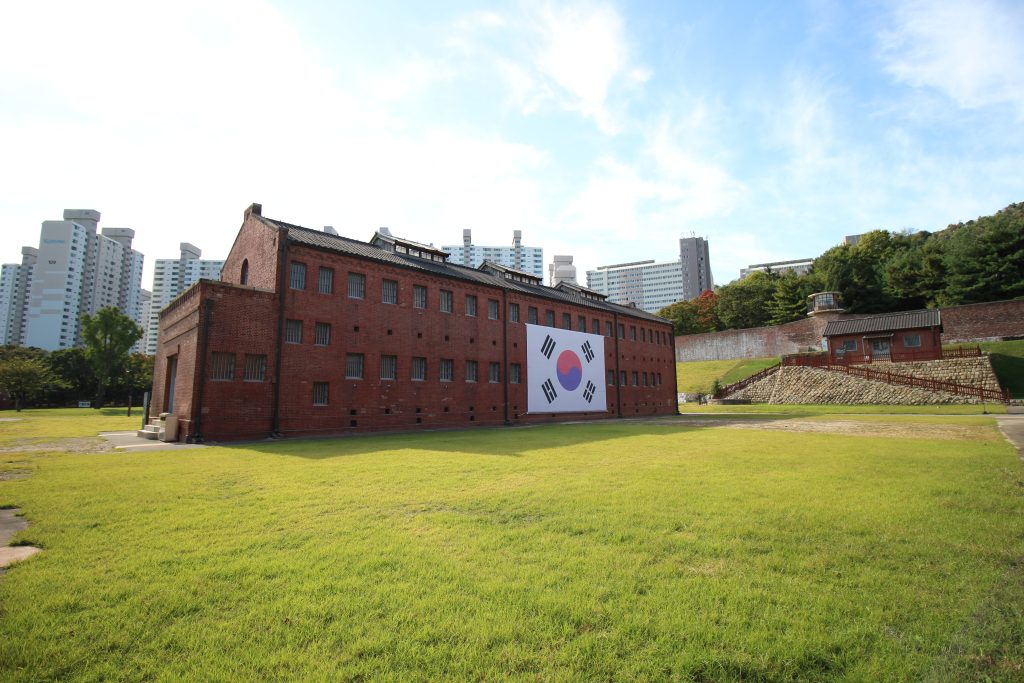
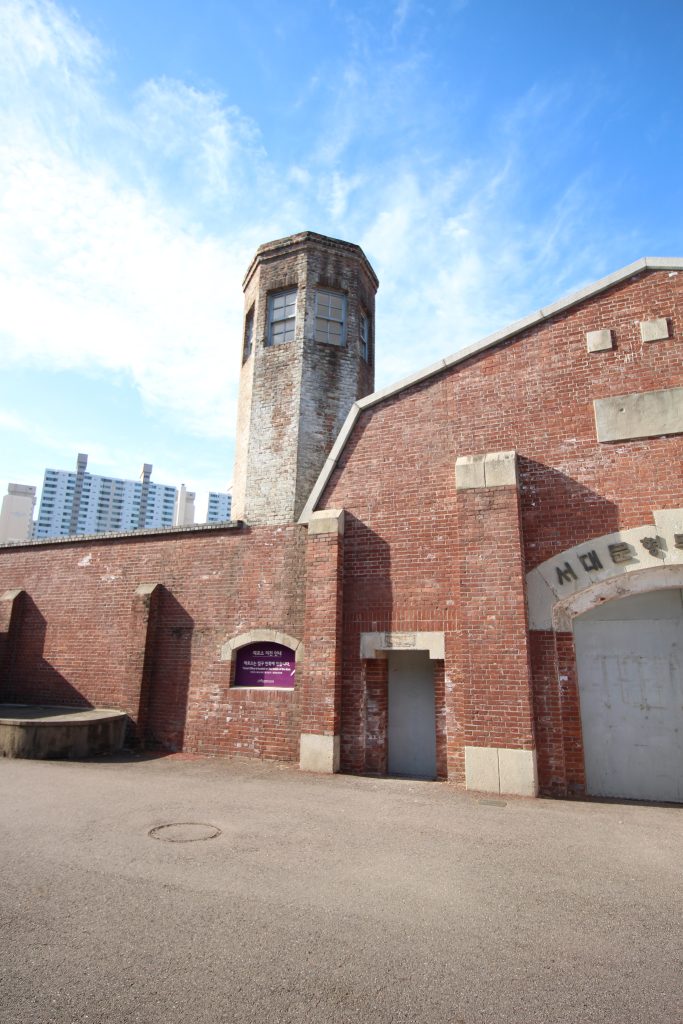
Located in the heart of Seoul, the Seodaemun Prison History Hall is a silent witness to the past. It’s not an easy place to visit, but if you want to understand the history of the country you’re traveling to, it’s a must see.
To understand Seodaemun Prison, one must first understand Korea’s period under Japanese colonial rule.
In 1910, Korea was officially annexed by the Japanese Empire. For the next 35 years, the Korean people faced a harsh assimilation policy.
Korean language education was restricted,
Cultural identity was suppressed,
The country and its economic resources were controlled,
Political opposition was severely suppressed.
Koreans were forced to adopt Japanese names, encouraged to speak Japanese, and compelled to pledge allegiance to the emperor. However, this oppression was met with resistance.
The March 1st Movement of 1919 was a historic turning point, with millions of Koreans participating in peaceful demonstrations demanding independence. But the colonial administration’s response was harsh. Thousands were arrested, tortured, and killed.
A significant number of those arrested were brought to Seodaemun Prison.
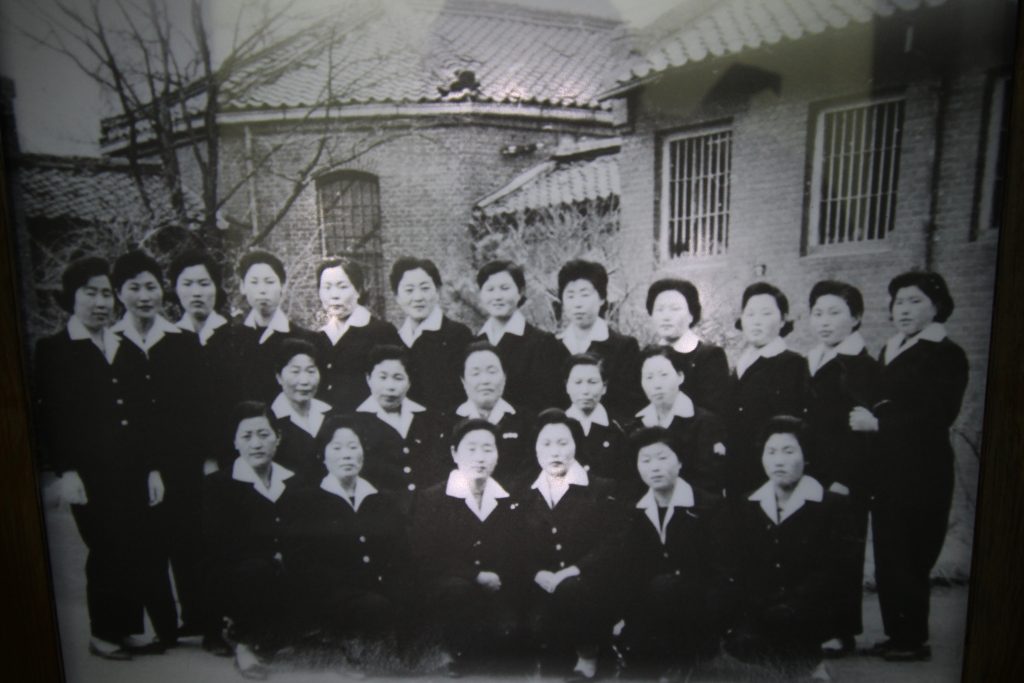
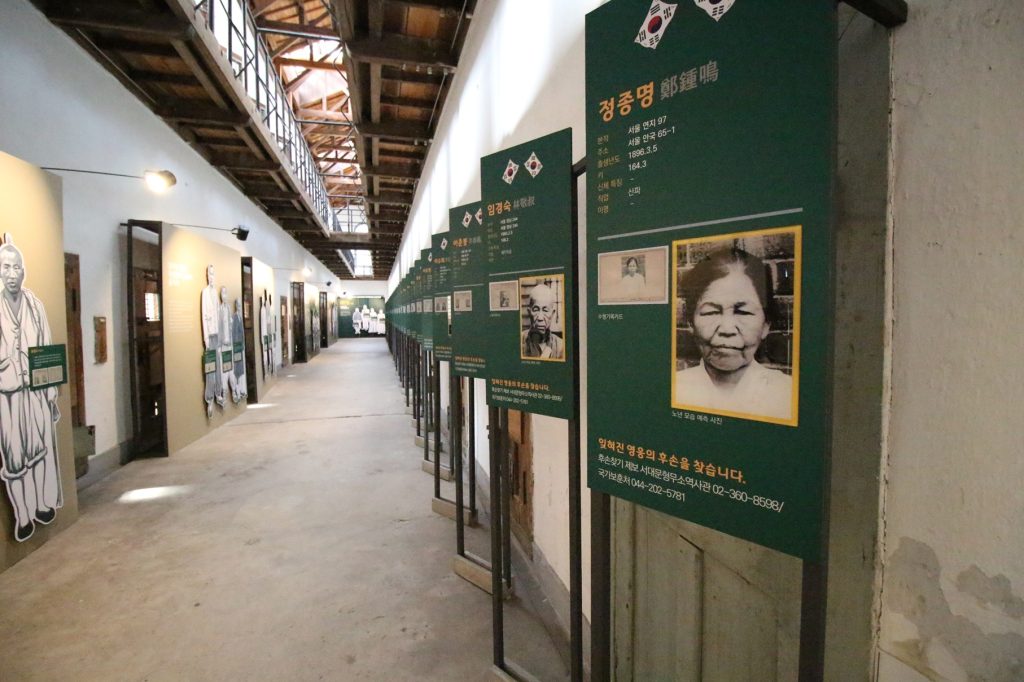
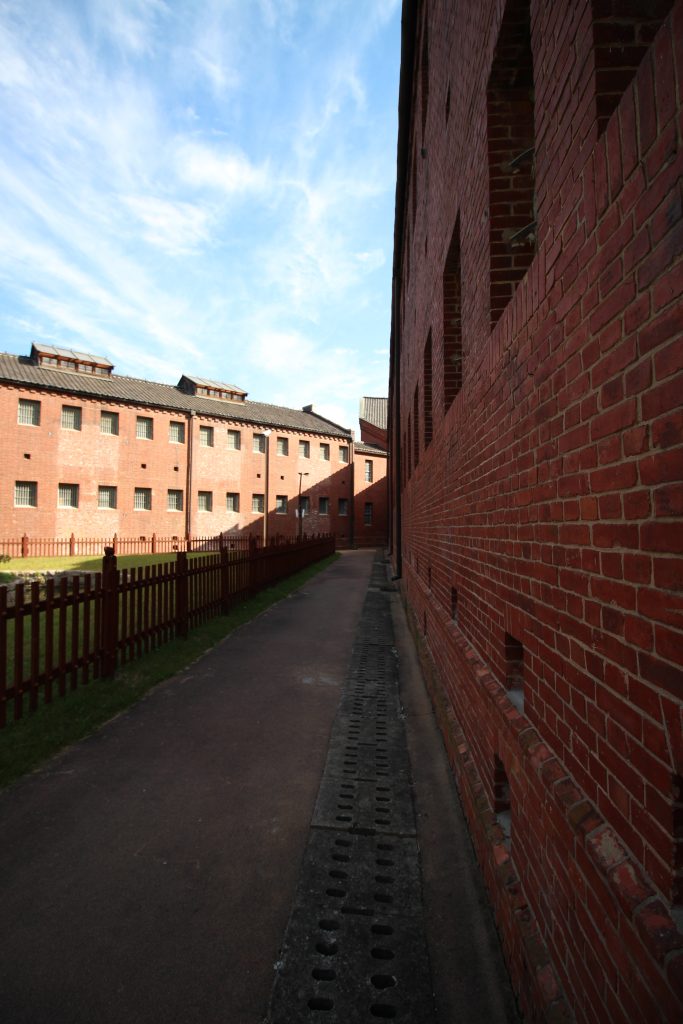
Seodaemun Prison was built by the Japanese government in 1908. Its purpose was clear: to suppress anti-imperial movements and silence pro-independence supporters.
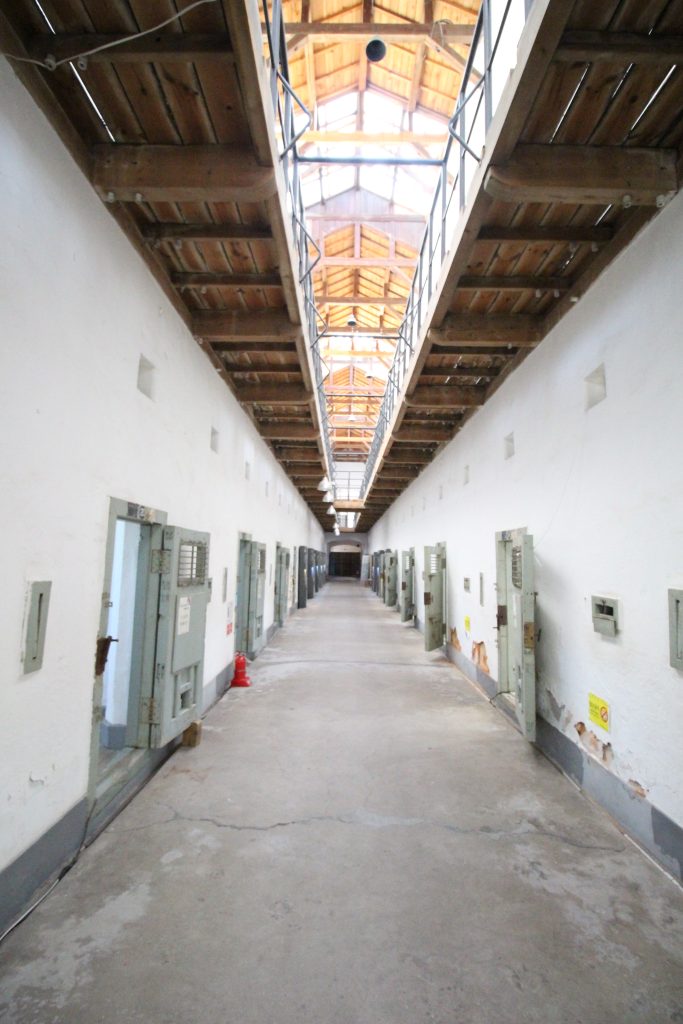
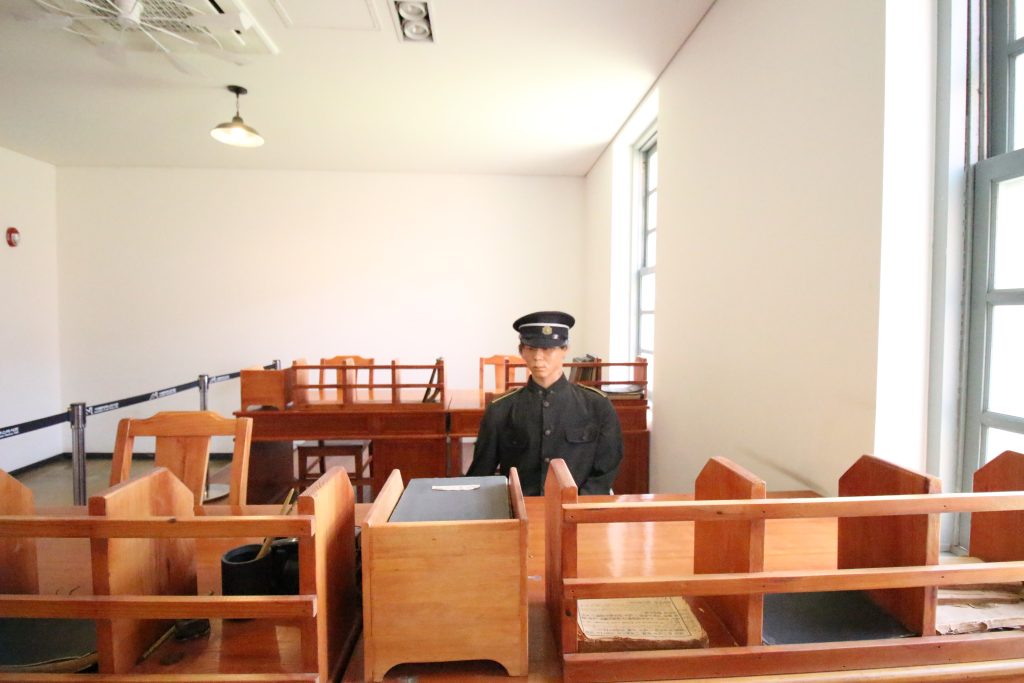
Today, the prison is open to visitors as a museum. The corridors, cells, and interrogation rooms are still standing. Even the architecture is based on a logic of control and surveillance: long corridors, cell blocks facing each other, isolated areas… Among those imprisoned here were independence activists, students, clergymen, journalists, and civil resistance fighters.
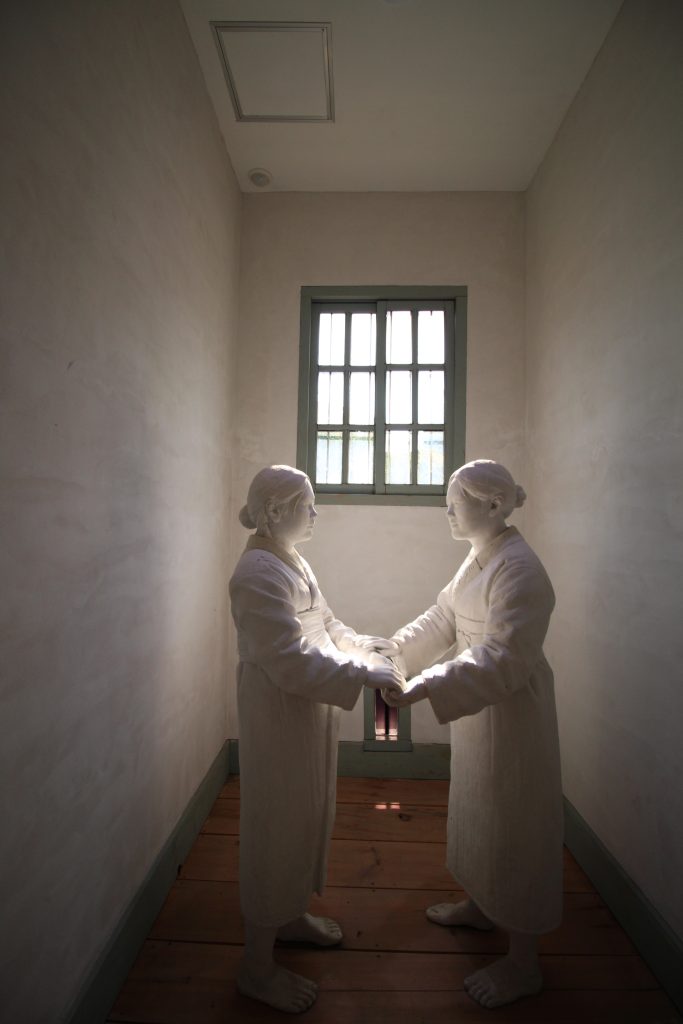
One of the best-known names is Yu Gwan-sun, a young activist and symbolic figure of the March 1st Movement. Arrested at the age of 17, he was subjected to severe torture and died in prison. Today, he is remembered as one of the symbols of the struggle for freedom in Korea.
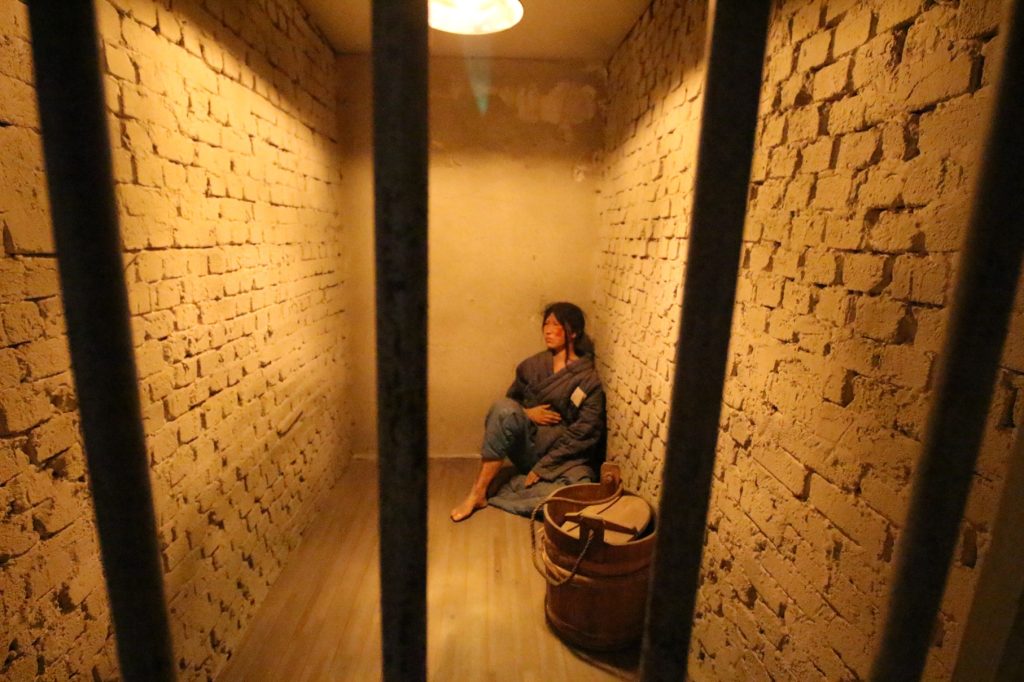
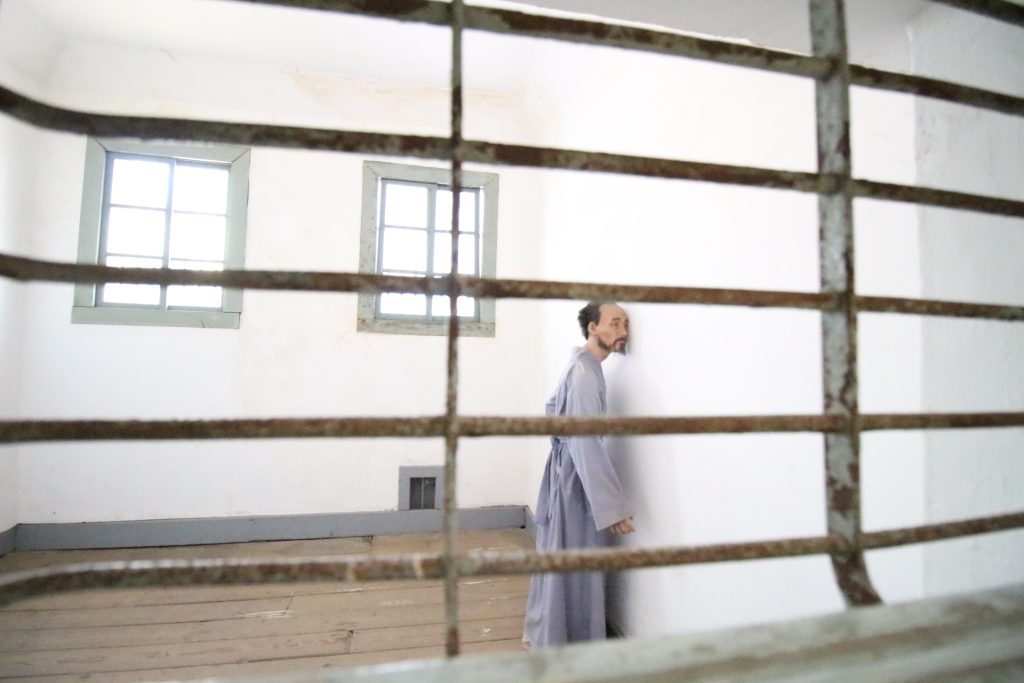
The most striking thing about visiting Seodaemun Prison isn’t the dramatic descriptions, but the place itself.
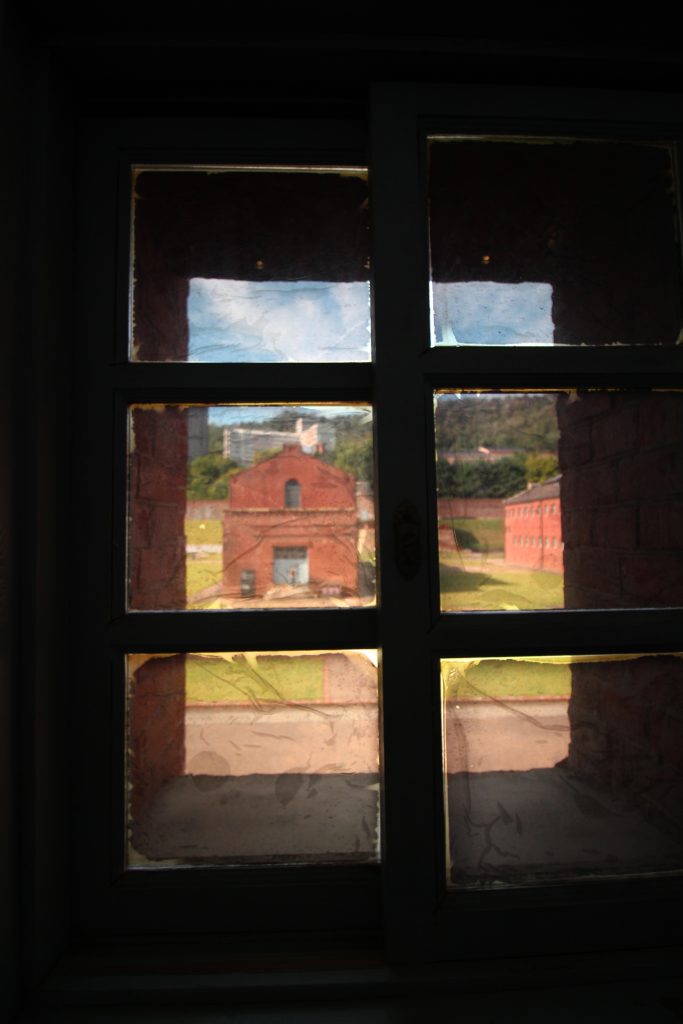
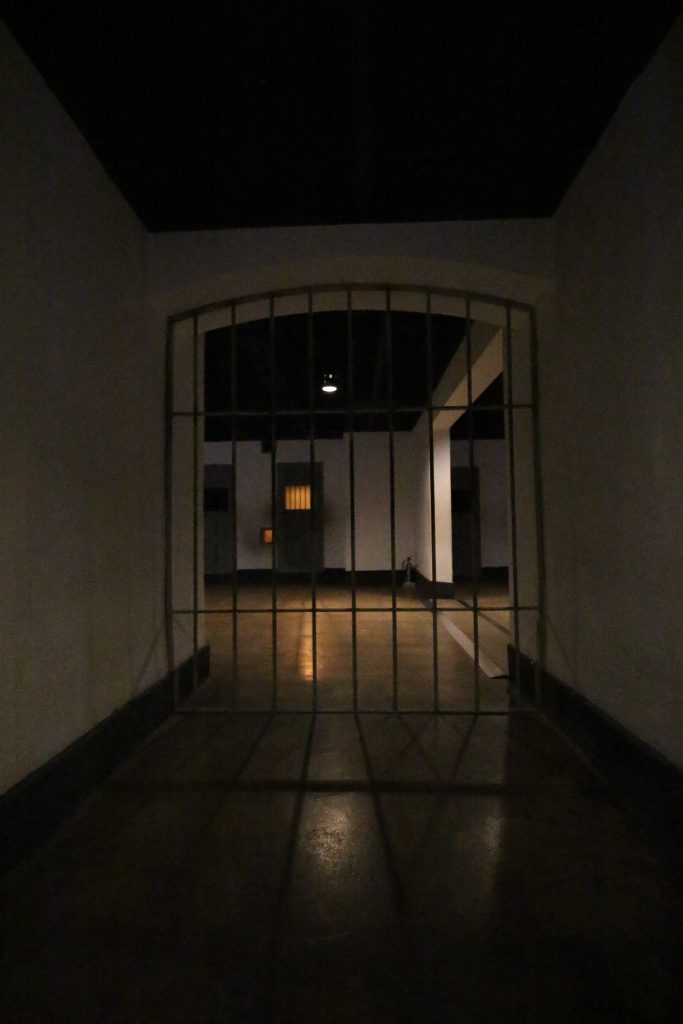
Crowded cells. Windows letting in little light. Crowded wards. The execution area.
Some cells are so small that prisoners can’t even stretch their legs. Documents detailing the torture methods used in the interrogation rooms are on display. The silence of the place weighs more heavily than the descriptions.
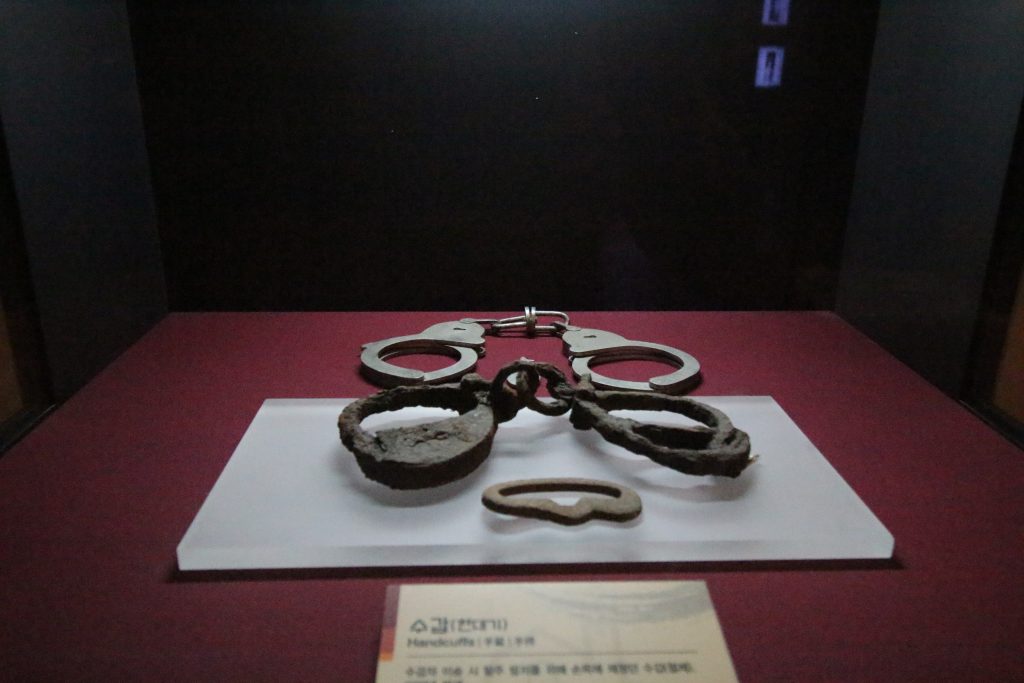
This date isn’t that long ago. For many Korean families, it’s still a personal memory.
In 1945, with Japan’s defeat in World War II, Korea gained its freedom. However, this freedom quickly turned into a new uncertainty. The peninsula was divided along the 38th parallel. Then, in 1950, the Korean War began.
Seodaemun Prison continued to be used for various purposes for some time after the Japanese colonial period. It officially served as a prison until 1987. This date also coincides with a period when South Korea’s democratization process accelerated.

Seodaemun Prison is not just a museum. I believe it’s a key to understanding Korea’s modern identity.
South Korea’s economic success, democratic structure, and global influence today are no accident. Reaching this point is the result of a long process of resistance and sacrifice. Returning to the modern streets of Seoul after leaving here forces one to reflect. Today’s vibrant, energetic South Korea has risen without forgetting the suffering endured within those walls.
Stay well.