Some places you travel to because you saw a photo and liked it.
Some because a friend recommended them.
And then there are places that begin with a book, places you become curious about long before you arrive.
For me, Finland started years ago with Country of the White Lilies. It is not a travel guide, nor a history book. It’s not even a novel in the traditional sense. Yet it tells the story of how a country rises, how it thinks, and how it transforms into a society.
After reading it, Finland stayed in my mind, not as a destination, but as an idea that needed to be understood.
And one day, I decided to go.
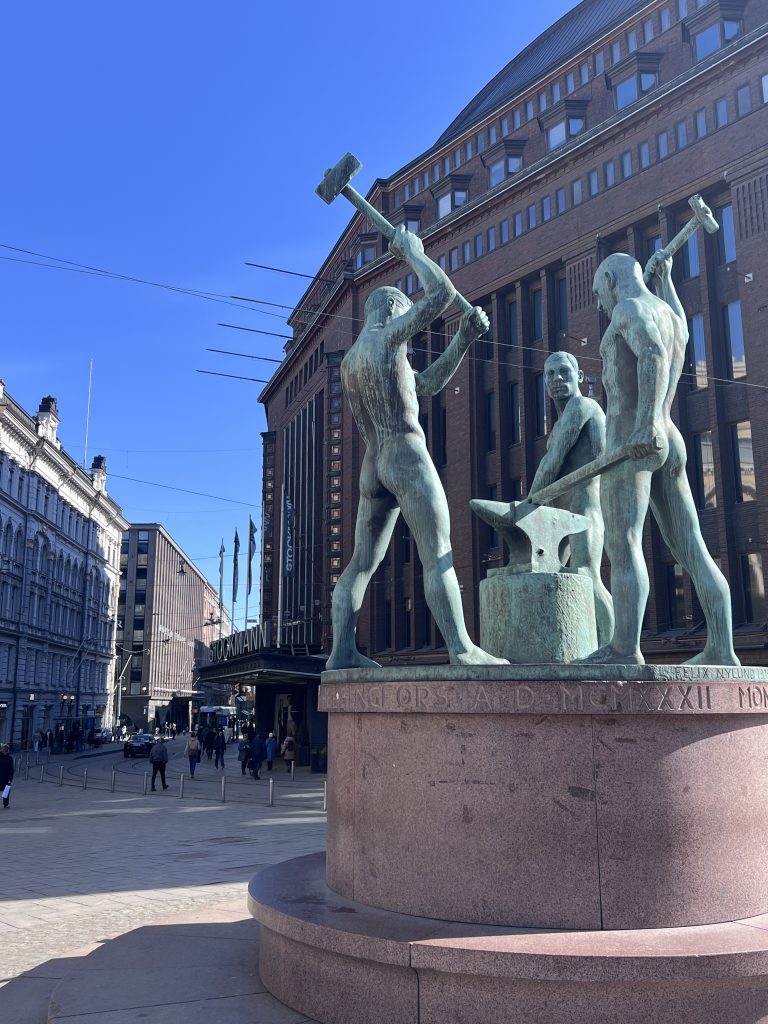
Before we get to Helsinki, it’s actually important to understand Finland as a whole. For centuries, this country lived under the rule of other nations. First, Sweden ruled these lands, then the Russian Empire. Independence came in 1917, during a time when the world was already in chaos.
The period following independence was far from easy. Wars, harsh winters, and the economic hardships that followed. But Finland emerged from this period in a different way. Instead of rushing headlong into things, it took calm and reformist steps despite all the challenges. They worked not just to survive the day but to shape the country and its future. This was made possible through education and the building of an equality based society.
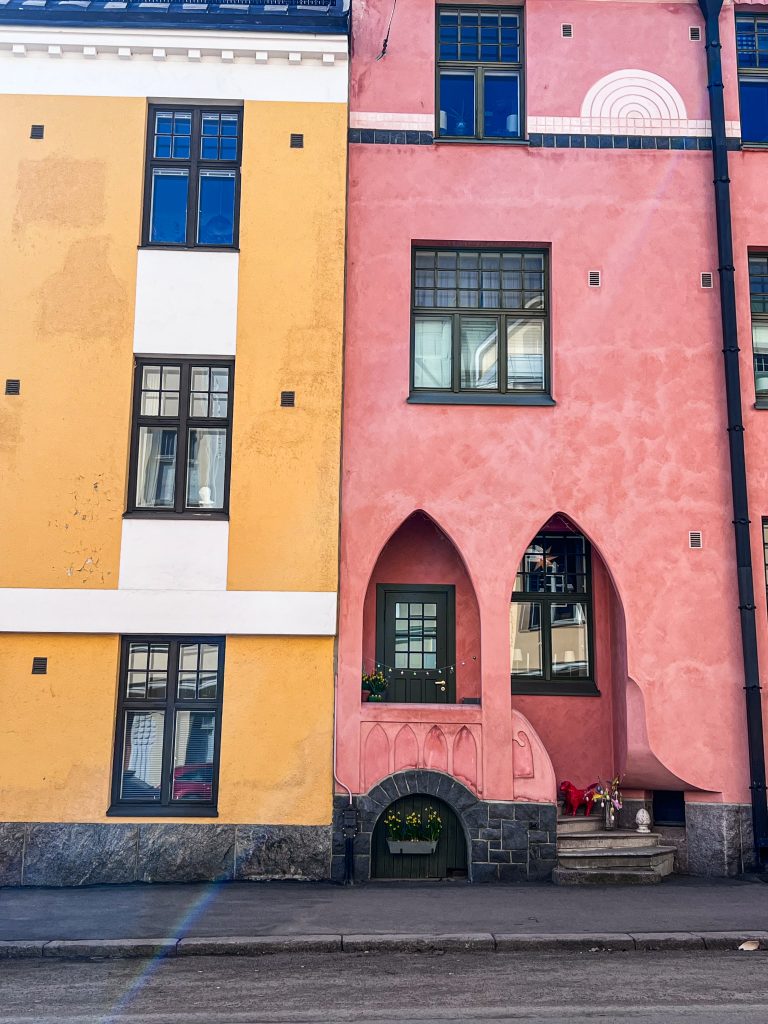
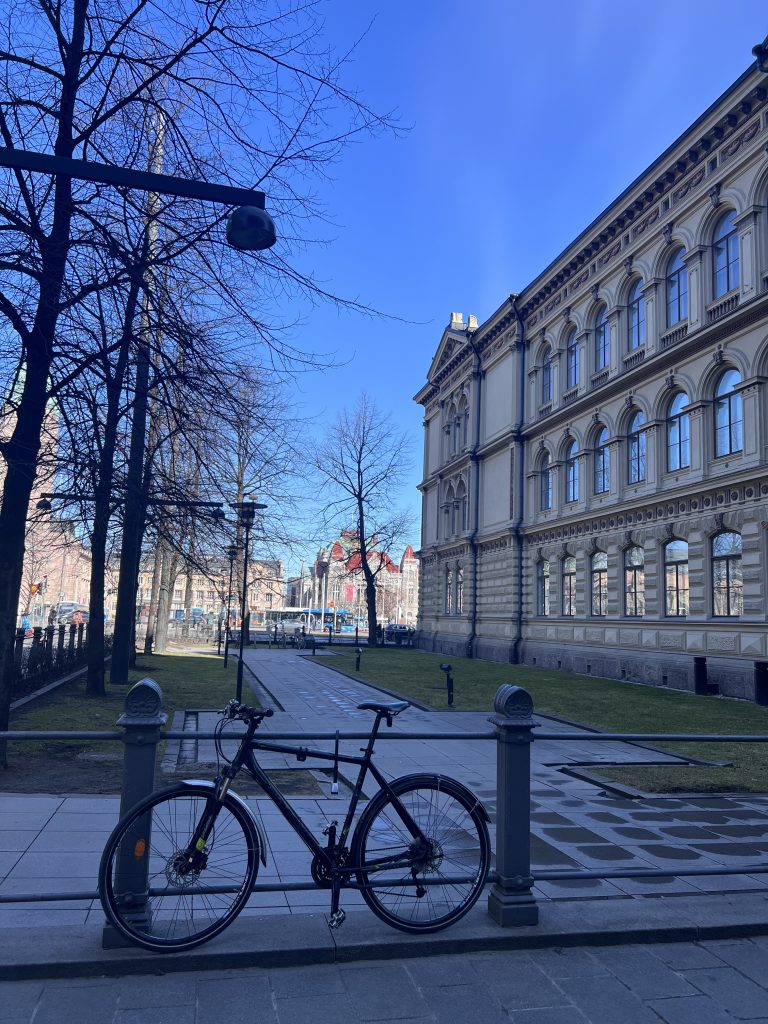
The first thing I heard when I stepped onto the subway at the airport was Finnish. Finnish doesn’t sound like any European language my ears are used to. It belongs to the same language family as Estonian and Hungarian. But after a while, it starts to sound natural. It’s as if the language reflects the character of this country: simple, clear, and distinctive.
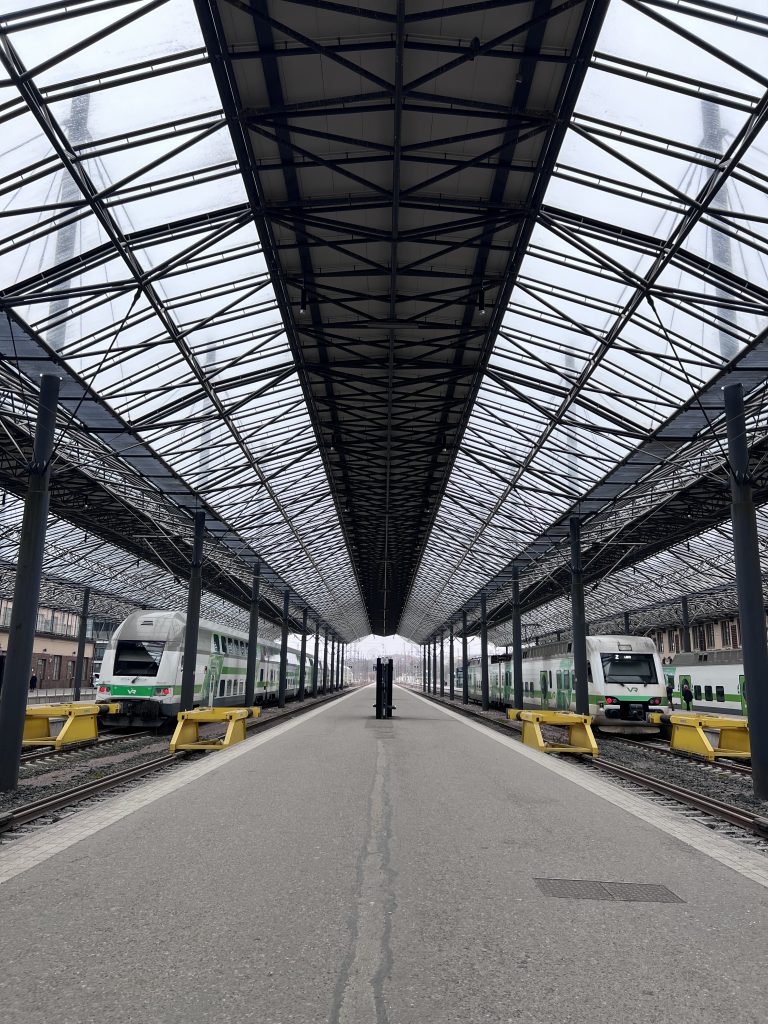
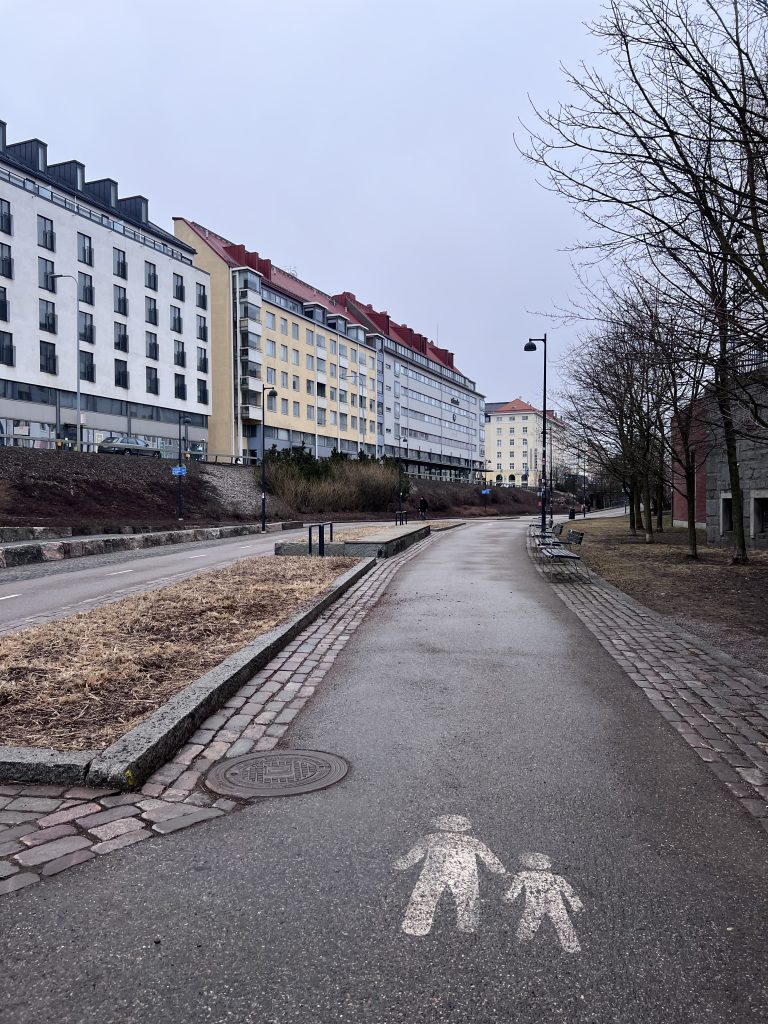
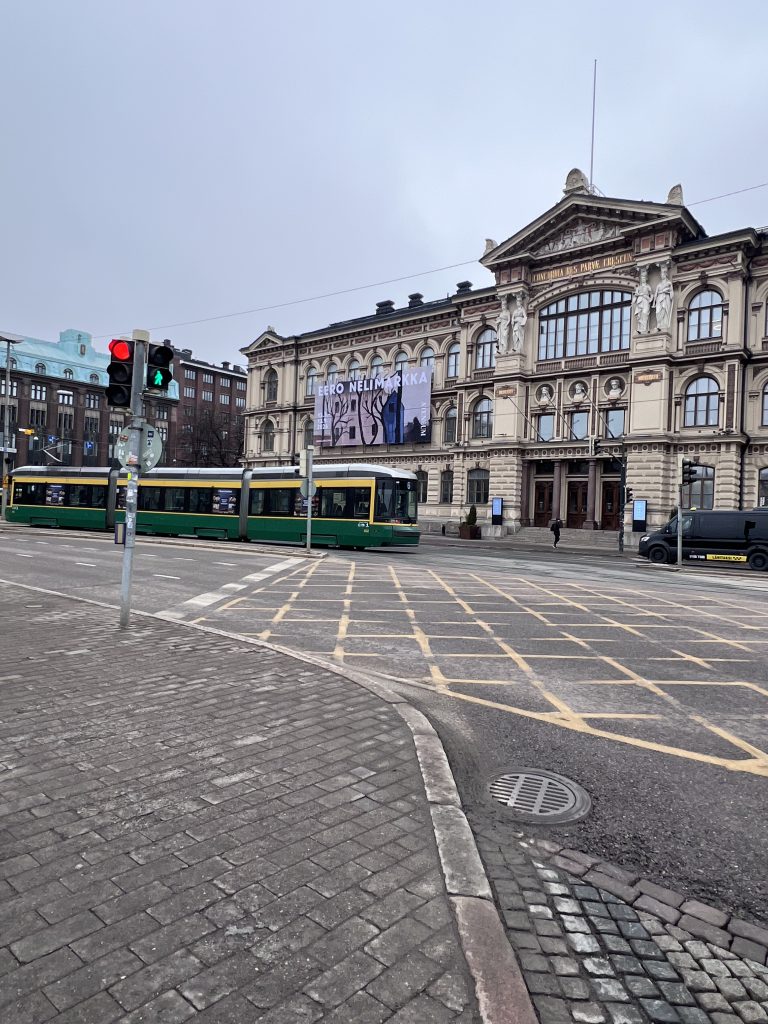
When I arrived in Helsinki, what greeted me wasn’t a bustling capital city. On the contrary, the first thing that caught my attention was the tranquility. The simplicity characteristic of Northern European countries was present here as well. No giant skyscrapers, no chaotic urban hustle and bustle…
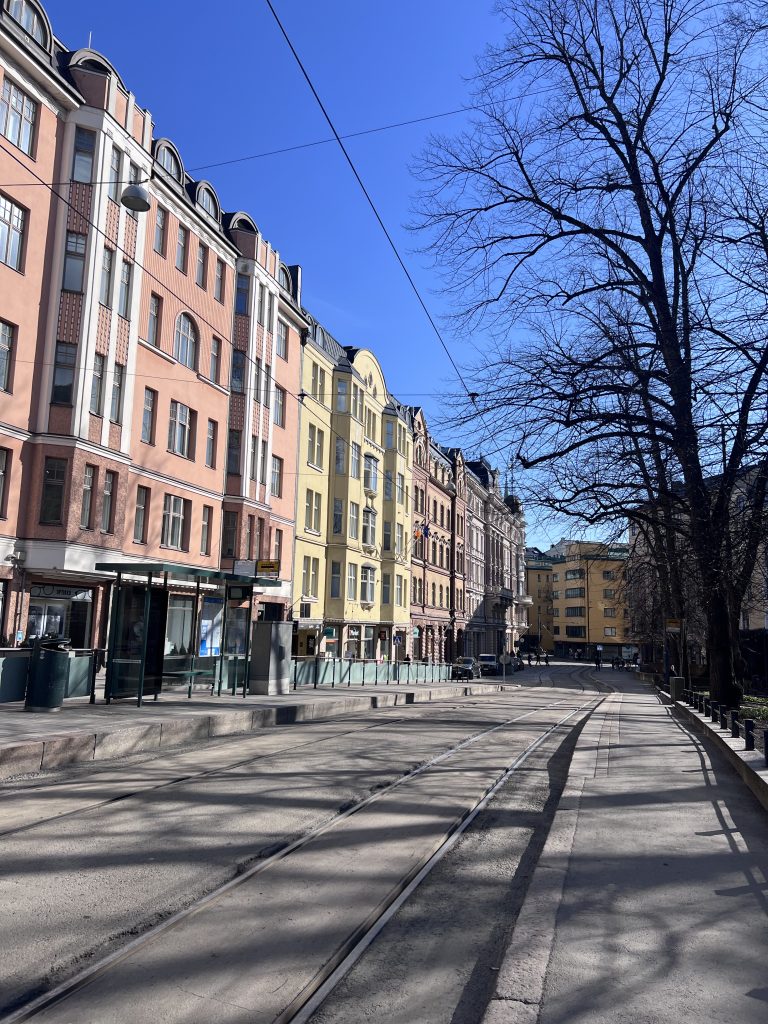
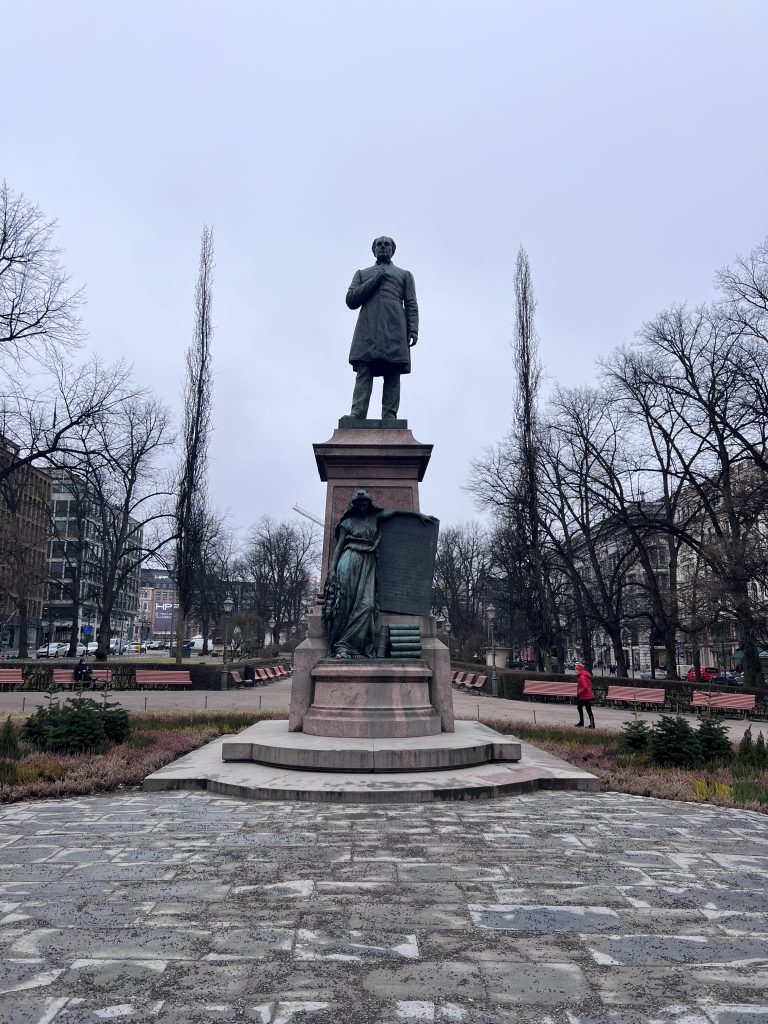
Wide streets, fresh air, and a sense of openness that permeates everything. But this emptiness is not a deficiency. It’s space. Helsinki is a capital city, yet it doesn’t feel oppressive. You don’t feel confined.
As you walk, you begin to realize this city wasn’t designed for show, but for living. Everything has a purpose. The streets are spacious, transportation is organized, and the sea is always nearby in some way. Nature isn’t separate from the city, it’s part of it. You don’t look for a place to escape to, because there’s no need to escape.
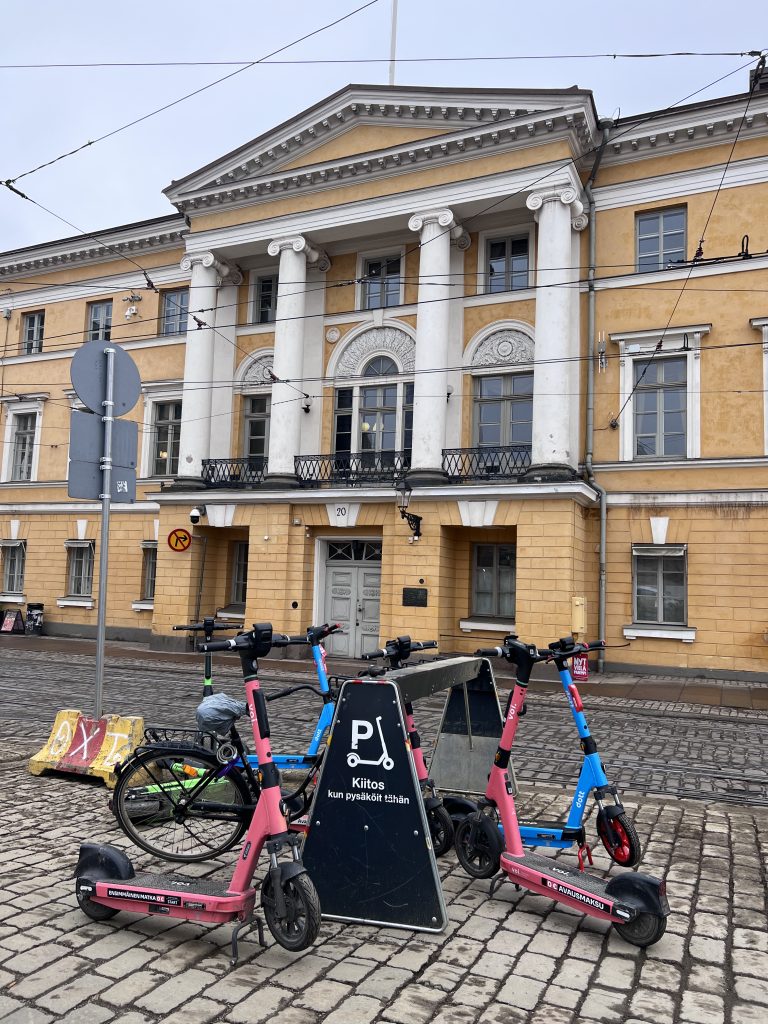
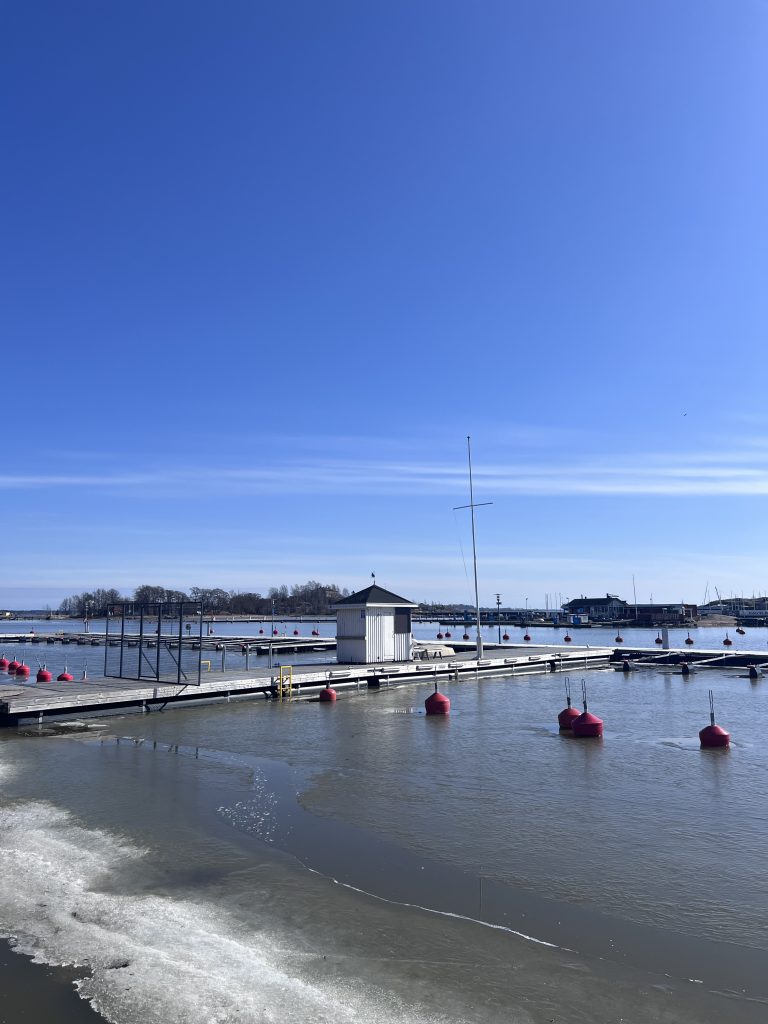
Helsinki was bombed many times during World War II. However, thanks to a well organized city defense, it managed to survive unlike many other European cities. After the war, urban planning was approached with a clear vision. In other words, the goal was not merely to rebuild the city, but to create a more livable one.
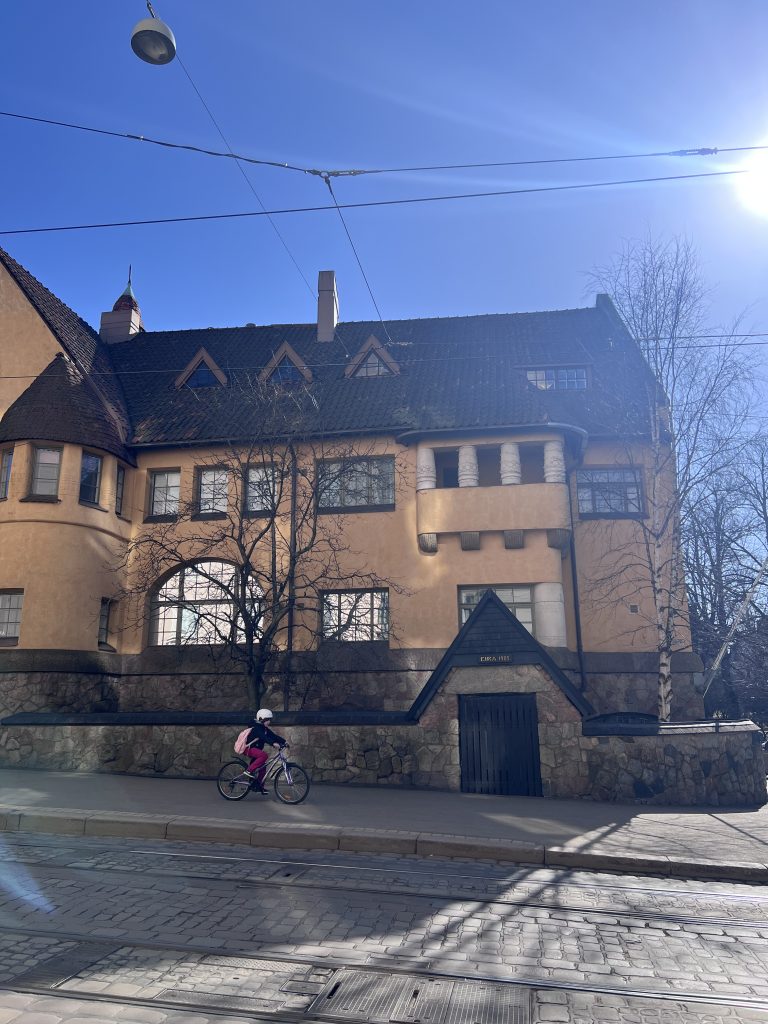
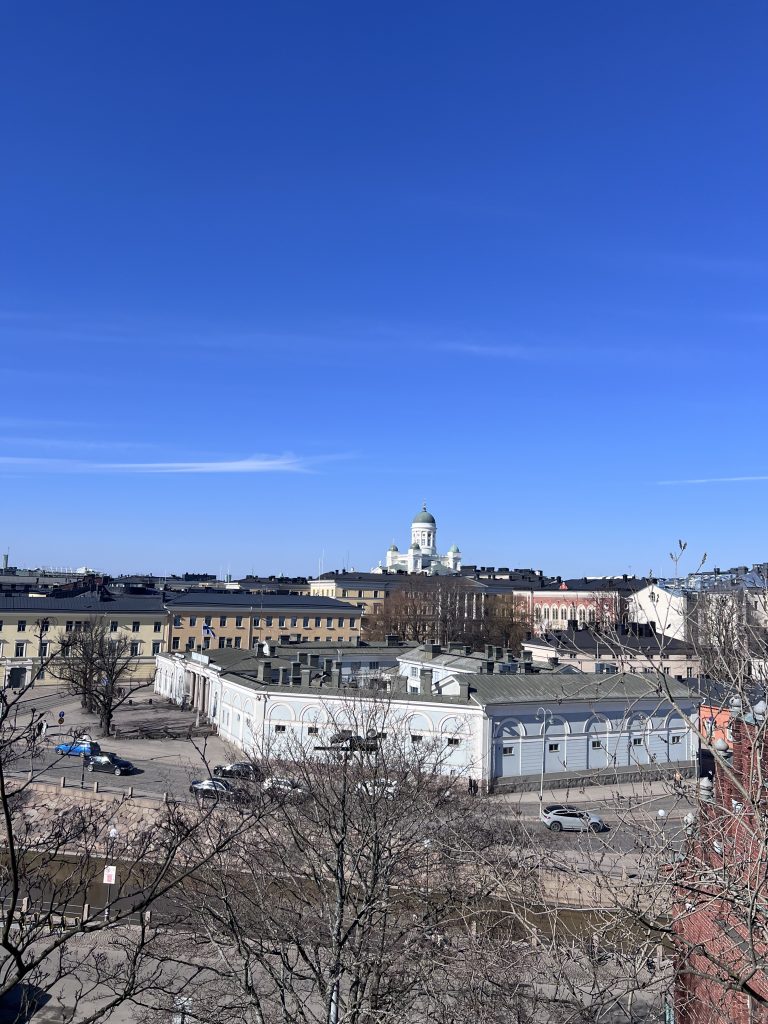
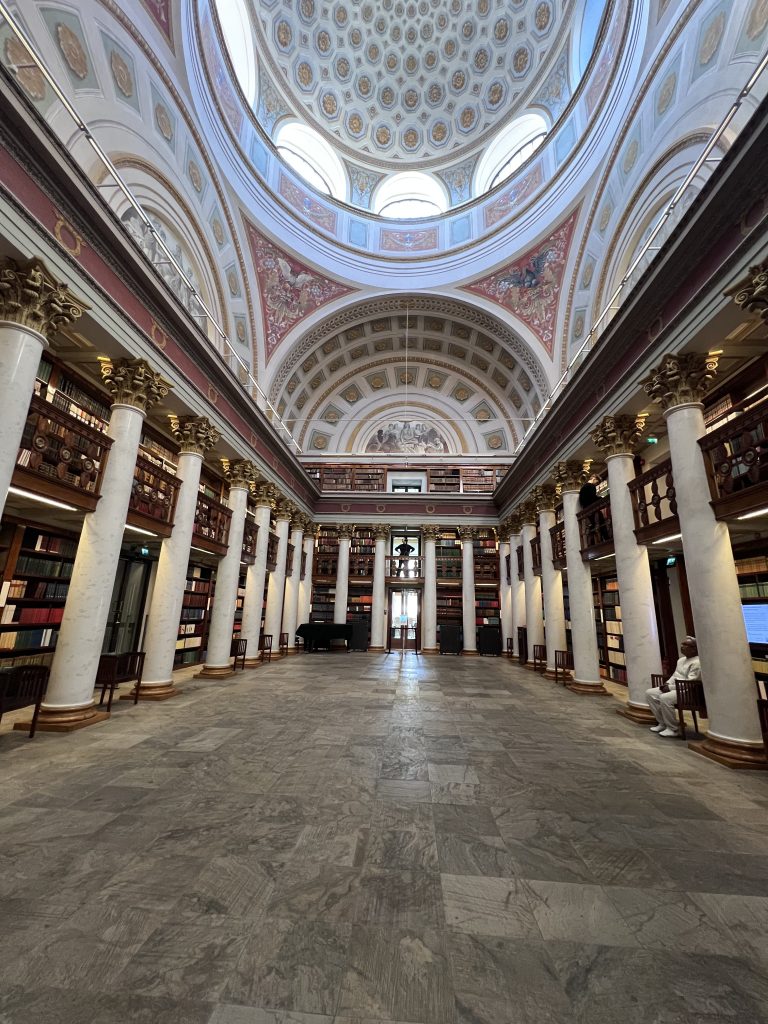
At some point, your path inevitably leads you to one of the city’s landmarks: Helsinki Cathedral (Helsingin Tuomiokirkko). This white structure, rising above Senate Square, is understated yet striking. With all its grandeur, it seems to greet the city as if built to reflect the sky. Directly across from it is the Finnish National Library (Kansalliskirjasto), which impressed me the most.
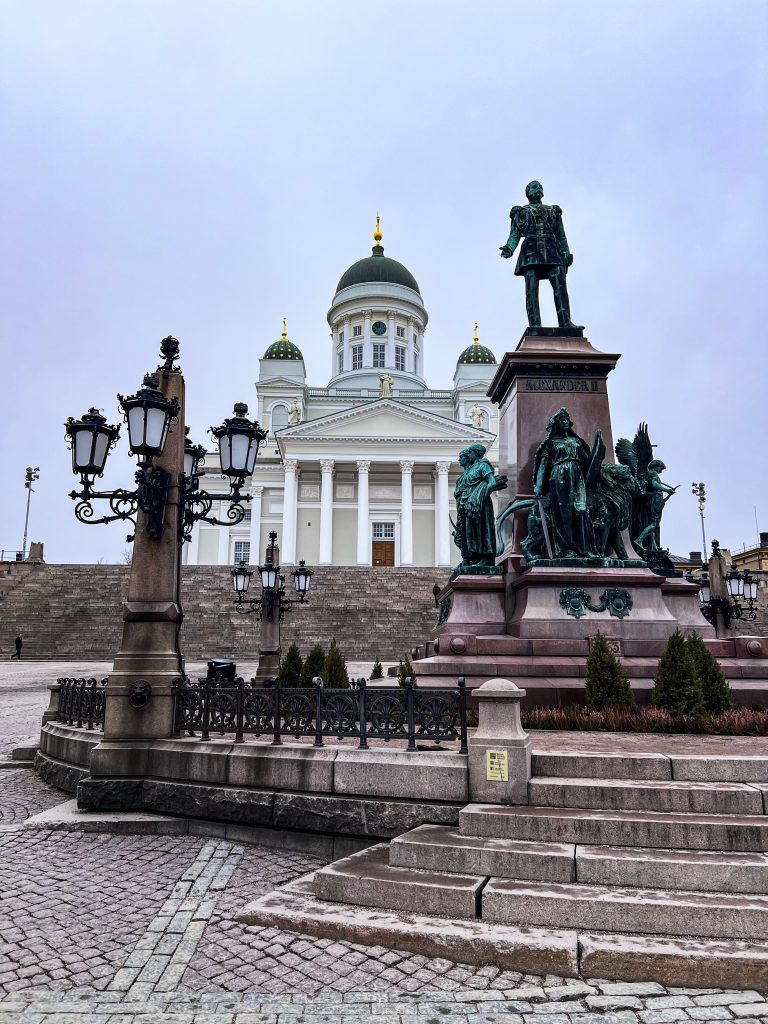
As you follow the street and turn onto one of the alleys leading to the sea, if you can make it to the end of the alley without succumbing to the aroma of coffee wafting through the air, the Baltic Sea will greet you. For my part, I accepted the coffee’s victory without a fight and took a coffee break.
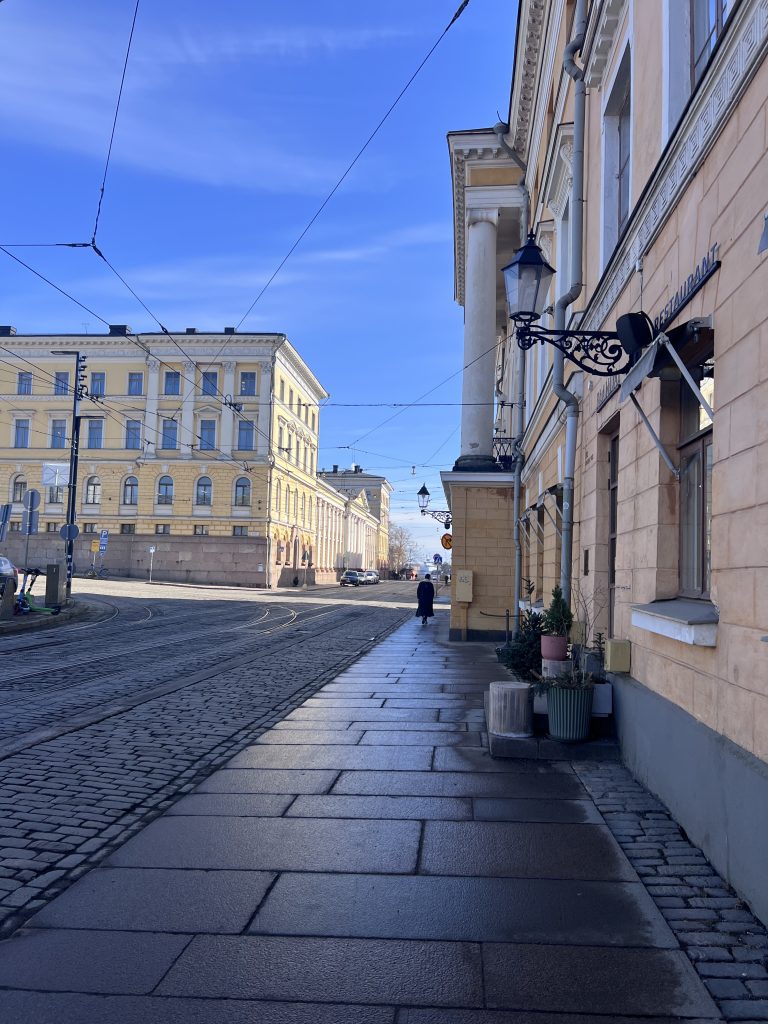
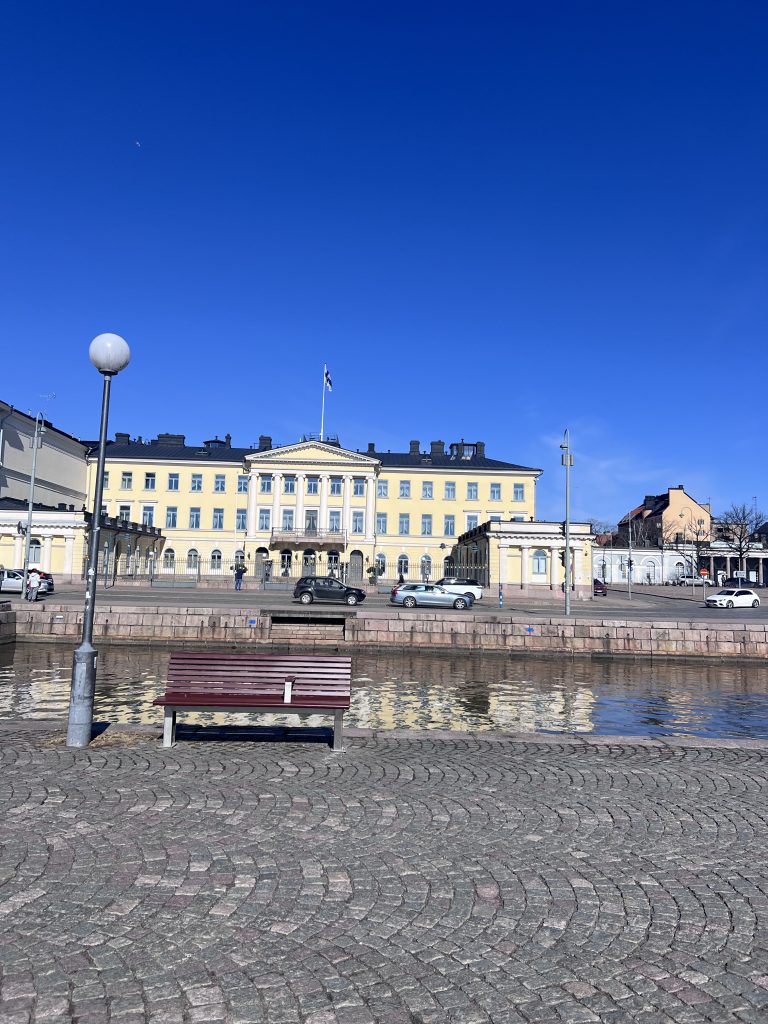
As you spend time in Helsinki, you realize that what really makes an impression isn’t the buildings, but the atmosphere. People don’t speak loudly. Even in a crowd, there’s a sense of calm. Everyone has their own personal space, and that space is respected.
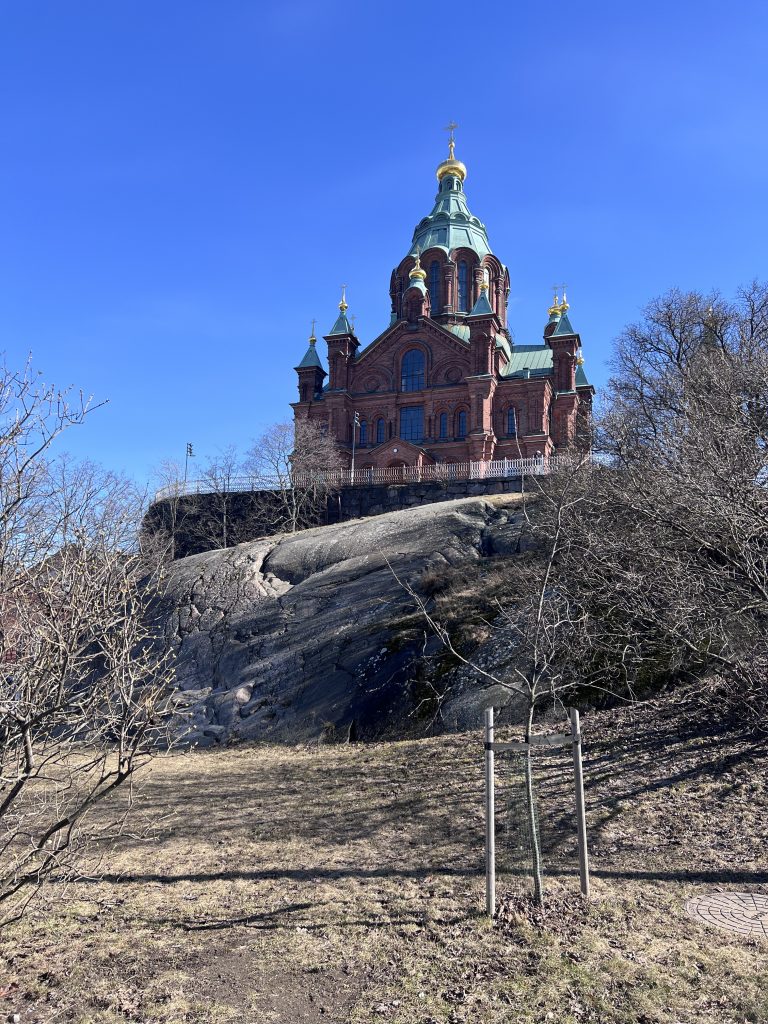
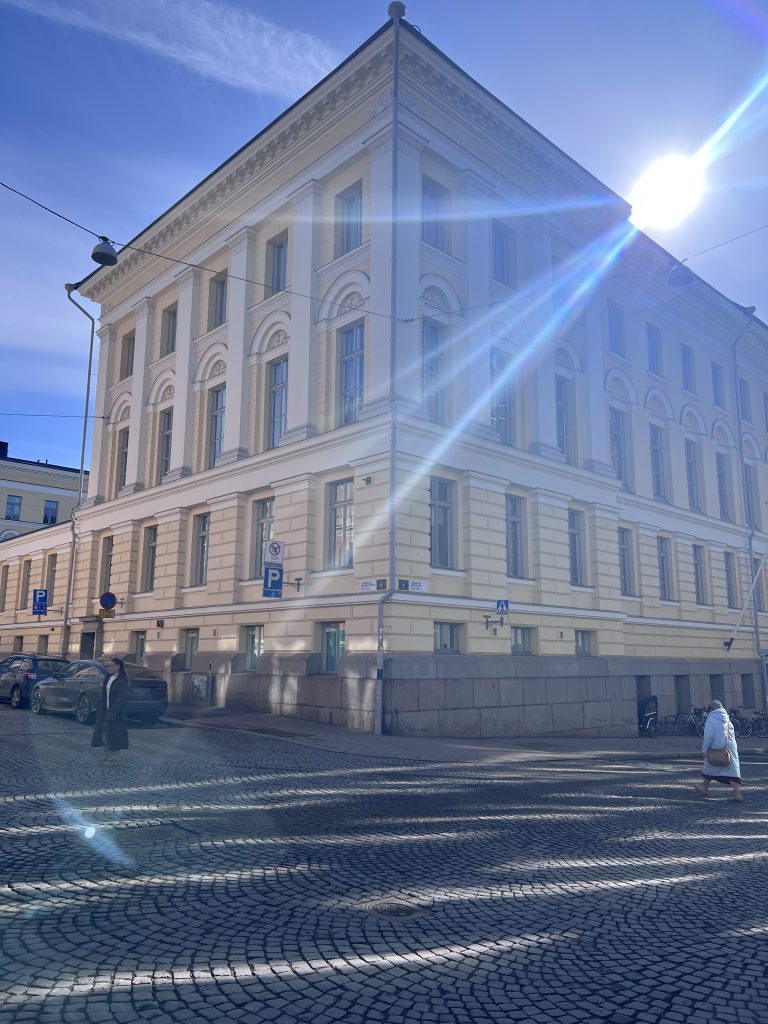
This city doesn’t try to entertain you constantly. Instead, it offers small moments. Walking along the seashore, sitting in a park, sipping coffee in a quiet cafe… These are enough.
It turns out that The Country of White Lilies isn’t telling a story after all, but rather describing a way of thinking. A way of thinking that is unassuming, quiet, yet just as profound.
And after leaving the city, you realize that…
Sometimes the places that say the most are the ones that speak the least.