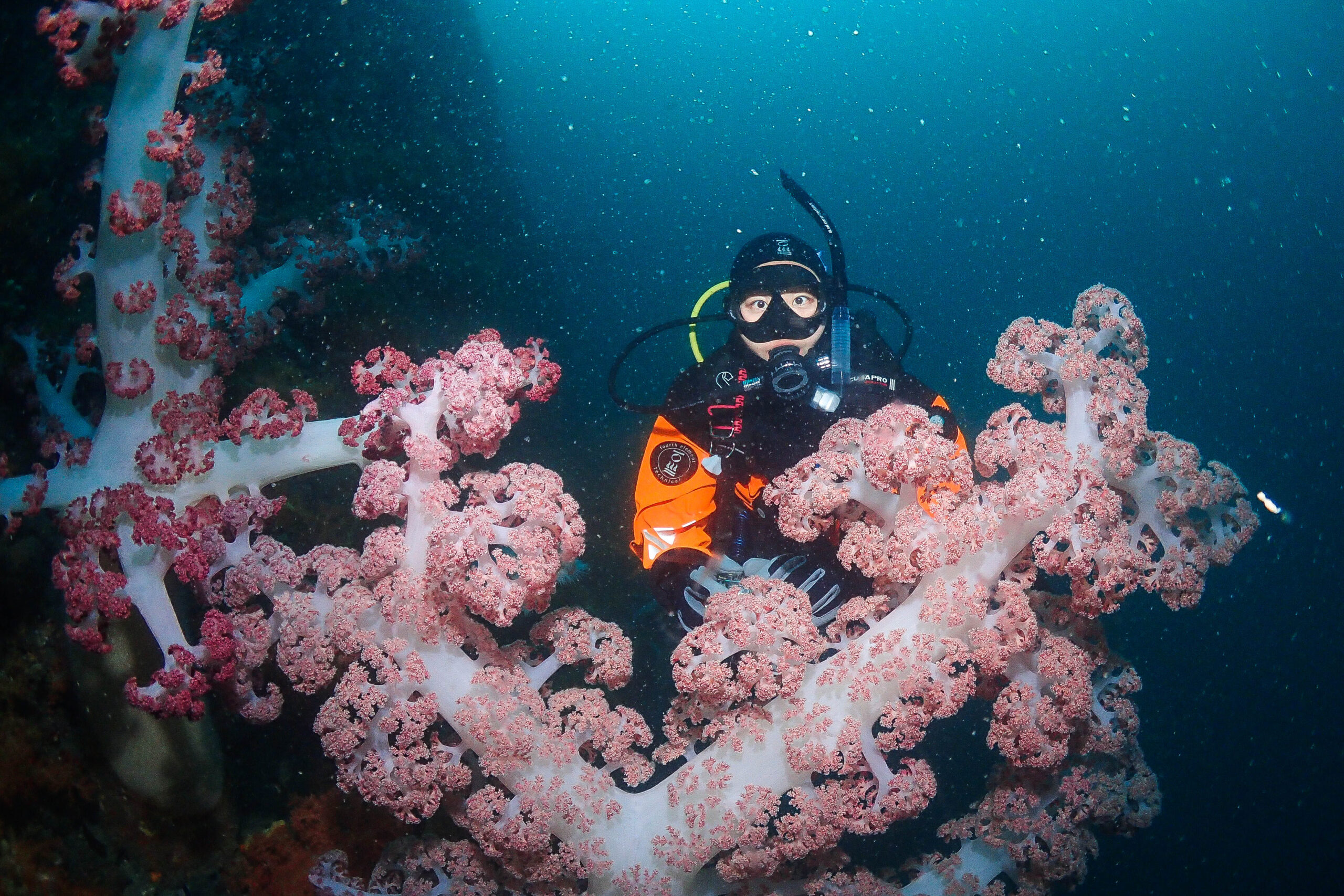
For years, the underwater world had been painted in warm colors for me. Coral reefs, tropical fish, sunlight filtering through turquoise waters onto the reefs. I discovered the ocean in places where life was a visual feast from every angle.
Then I came North.
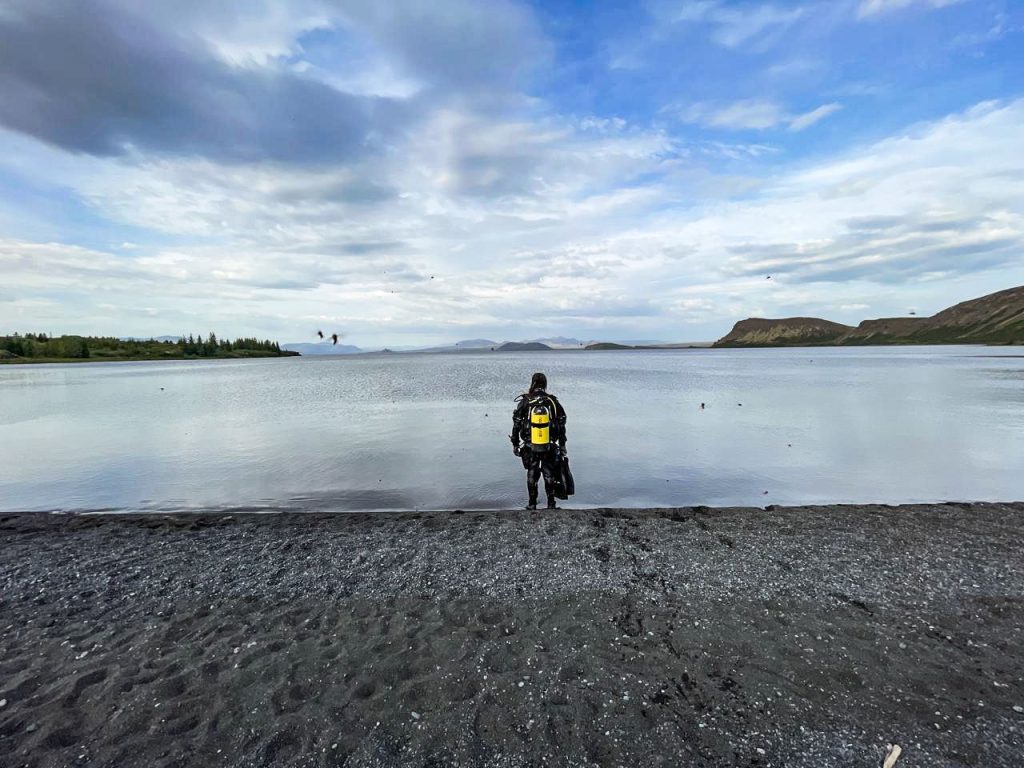
I remember my first dive very well. A sunrise with no hurry. A red sky. Air temperature -19 degrees, water temperature 3 degrees. No coral reefs. No schools of fish. No visual feast in the sense I was used to.
As I spent more time underwater, I realized something very important. Cold water doesn’t mean less life.
It means a different kind of life.
Warm water ecosystems are built on speed. High temperatures mean fast metabolism, rapid growth, and quick reproduction. Corals build reefs, algae grow rapidly, and fish spawn frequently. Life is in a state of aggressive competition, and color is often a form of survival.
Cold water, however, reverses all of this. Here, energy is highly valuable. Growth is slow and reproduction is limited in cold waters. Organisms avoid wasting energy unnecessarily. Life in cold water focuses on efficiency and resilience rather than numbers.
For this reason, cold-water ecosystems often appear calm but are incredibly stable.
Cold water organisms face challenges that tropical life never encounters. Temperatures close to freezing, limited sunlight, and long, dark winters. To survive under these conditions, organisms have developed extraordinary adaptations.
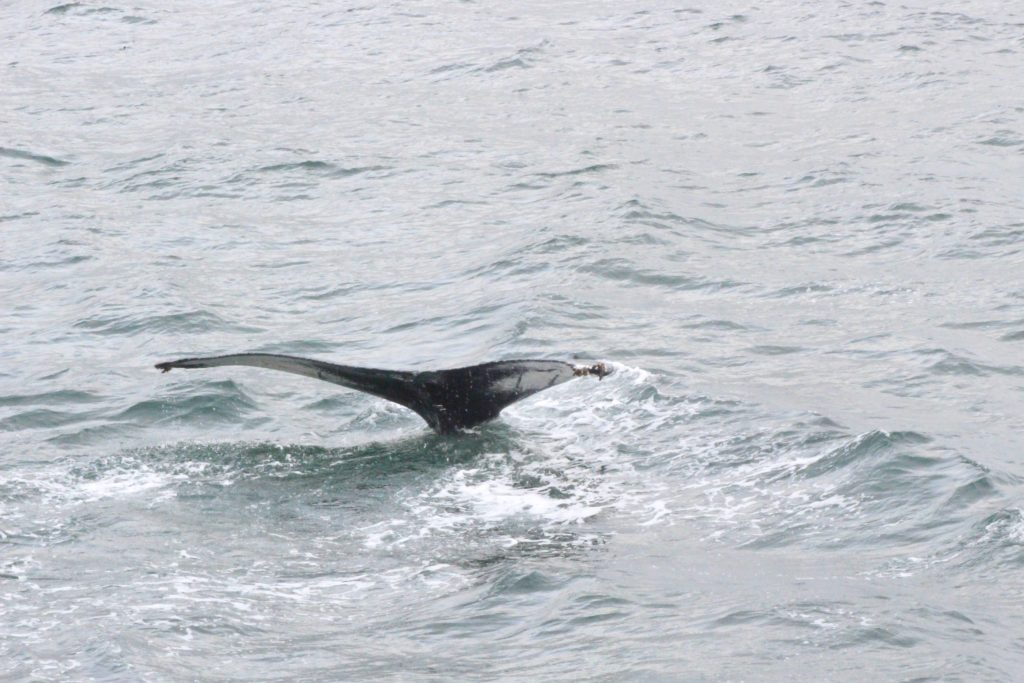
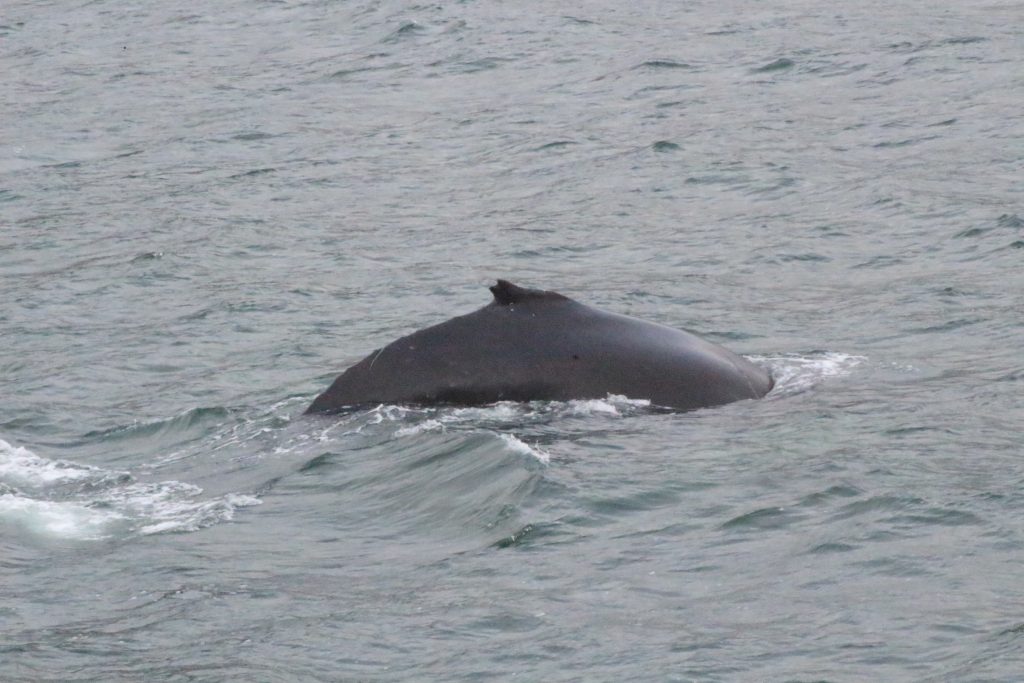
Some fish and invertebrates conserve energy by significantly slowing down their metabolism rather than burning it. They avoid wasting energy unnecessarily, as mentioned above. Some produce natural antifreeze proteins in their cells to prevent ice crystals from forming in their bodies. Others develop thicker tissues or store fat to survive long, harsh winters.
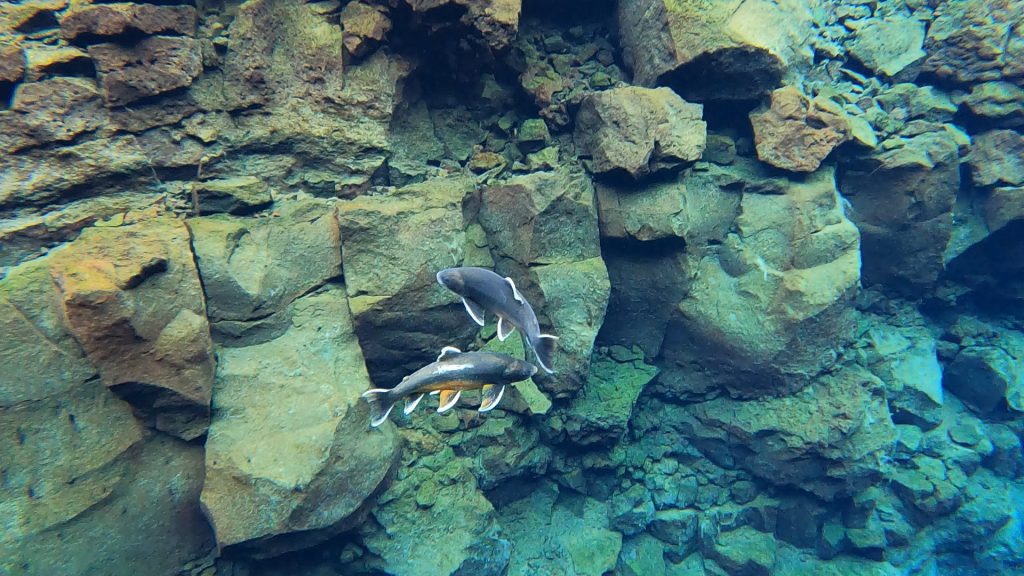
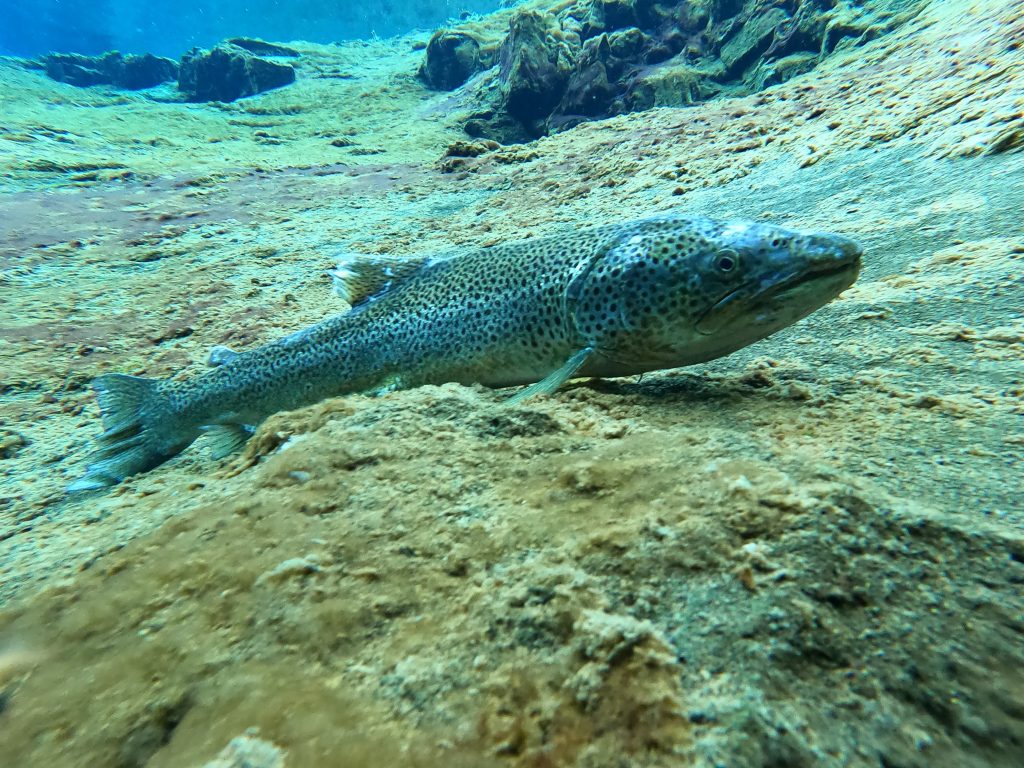
Their movements change too. Cold water fish don’t waste energy swimming around. They float in the water, rest, and only move when necessary. Sometimes divers can’t help but wonder if they’re plastic… They’re not plastic 🙂
Algae, the Hidden Heroes of Cold Seas
Divers in tropical regions often complain about algae. Excess algae means coral reefs are under stress. In cold waters, however, algae tell a very different story.
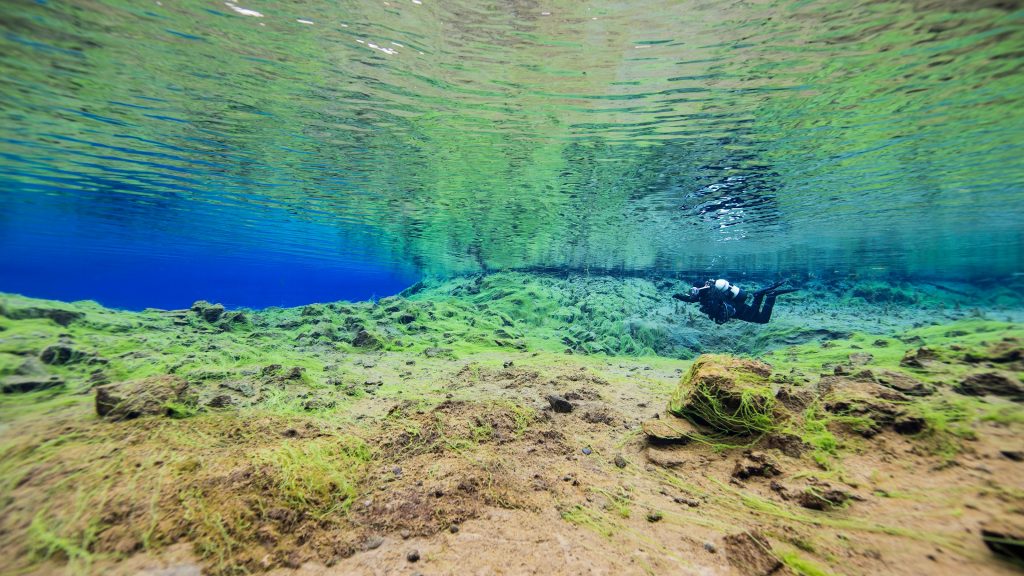
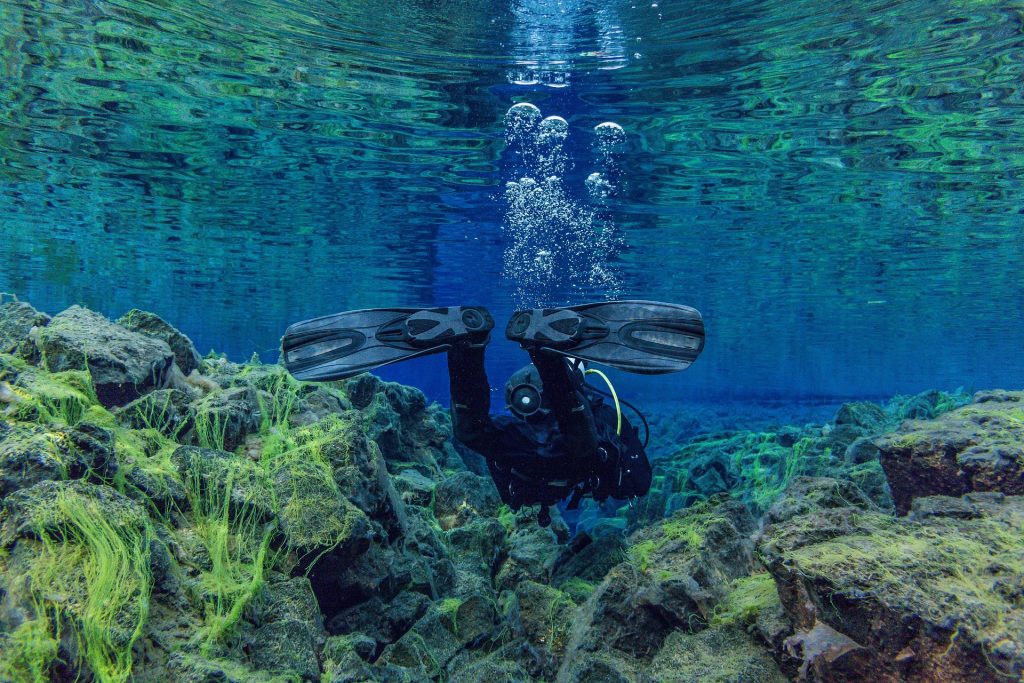
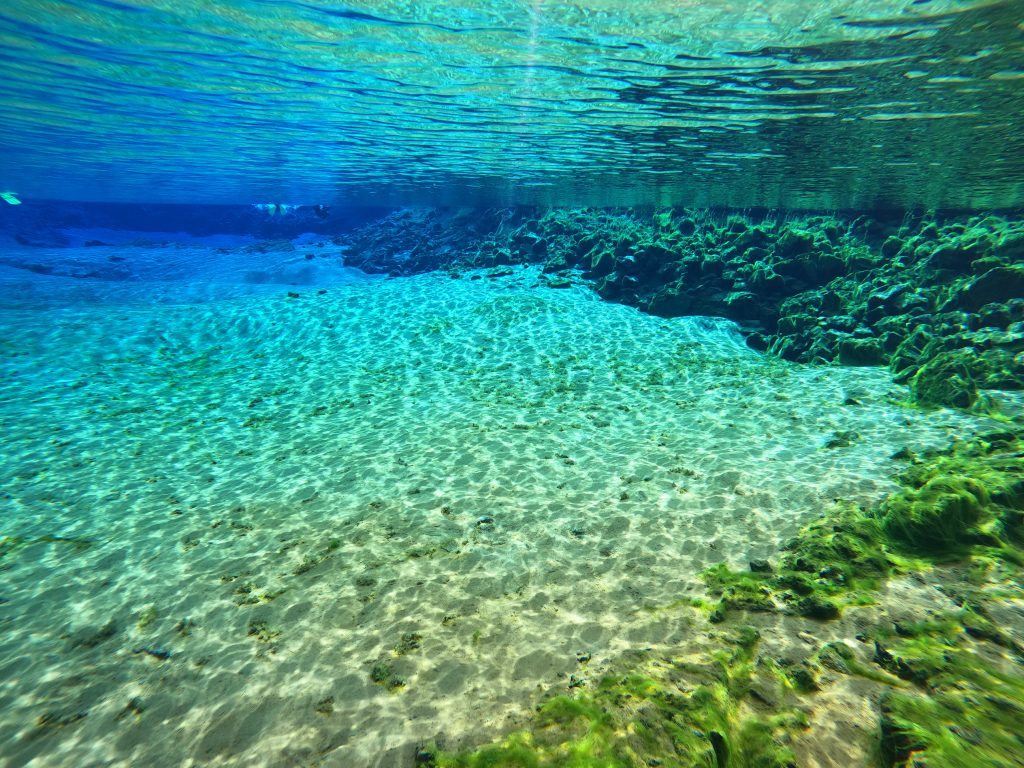
Cold water algae grow slowly but steadily. Many species form thin layers on rock surfaces and feed on sunlight passing through incredibly clear water. In places like Silfra, where visibility can exceed 100 meters, this visibility allows algae to perform photosynthesis even at great depths.
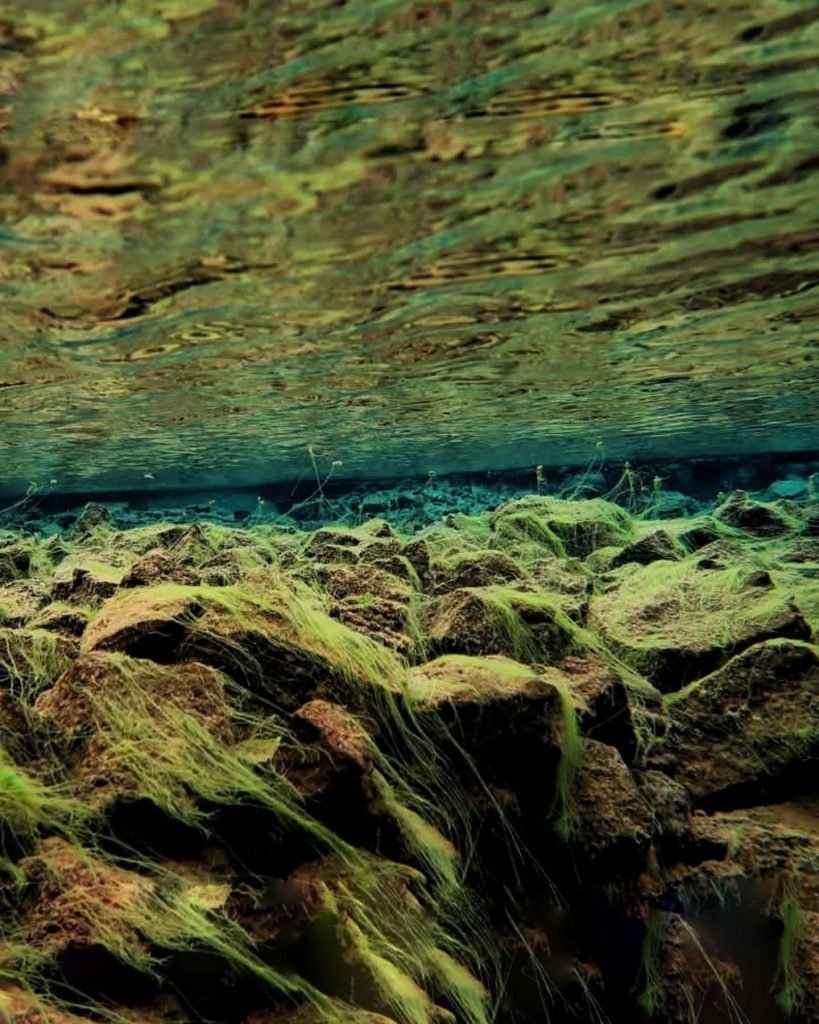
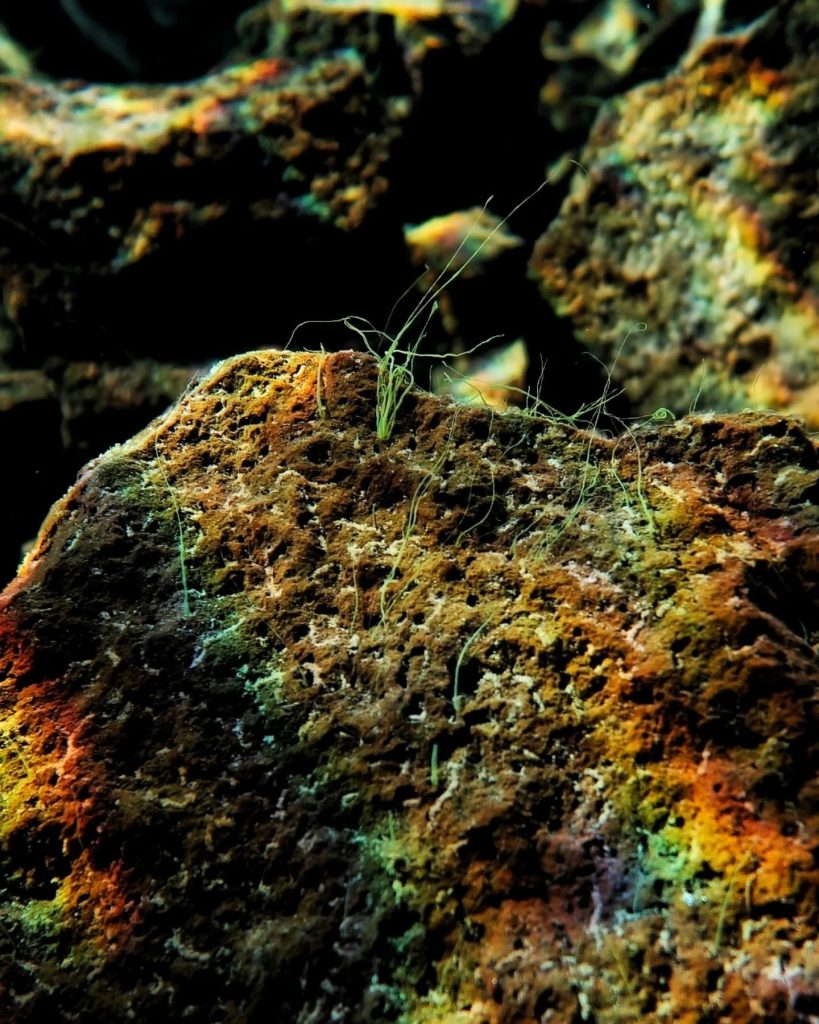
Their colors are pale. Green, brown, dark red. Not because they are weak, but because their pigments adapt to low light and cold temperatures. These pigments absorb the small amount of light available and efficiently convert it into energy.
Cold water ecosystems depend on these algae. I don’t think it would be an exaggeration to say that without these algae, which form the basis of the food chain, the ecosystem would collapse.
Why Don’t You See Large Schools of Fish?
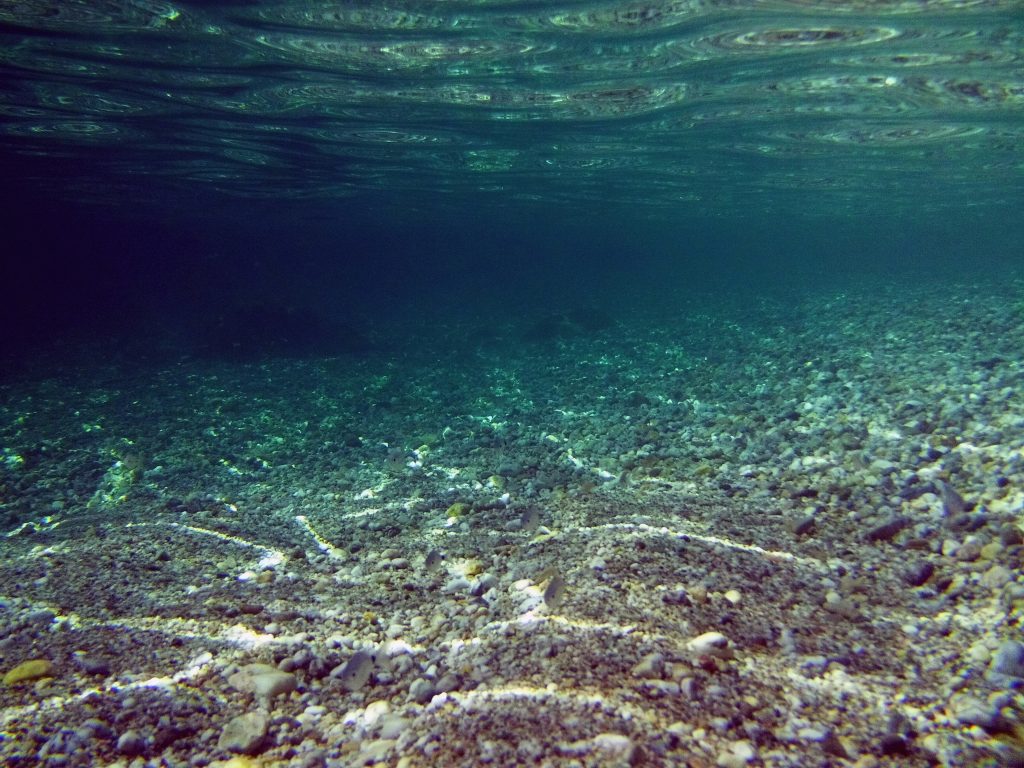
Simply put, cold-water fish do not live in large groups.
The fish here are generally solitary or not very numerous. They grow more slowly, live longer, and reproduce less frequently.
Their survival strategy is not “superiority in numbers,” but rather to be seen a little less often and conserve energy.
Once you understand this difference in cold water life, your perspective on diving changes. You begin to examine the formations of the volcanic rocks surrounding the dive sites and the textures on them.
That’s when cold water begins to open its doors to you.
You stop searching for movement and start searching for patterns. Textures. Subtle color changes. Small details that reveal the life hidden in plain sight.
After years spent in tropical regions, cold water changed my perspective on the ocean.
It taught me that life doesn’t need abundance to be powerful. That silence also holds abundance. That resilience is often hidden in plain sight.

Cold water ecosystems don’t perform for us. They don’t compete for attention. They simply exist with patience, efficiency, and incredible strength.
And when you learn how to look at them, you realize they are anything but empty.
Thank You 🙂