
Hello everyone, I have been vegan for over two years now. During this time, I have met many people and talked to them about being vegan, and they always ask me the same questions.
– If you don’t eat fish, where do you get your Omega-3 from?
– And B12? Isn’t it only found in meat products?
Yes, I definitely agree with these concerns. Omega-3 and B12 are indeed very important.

It is known that Omega 3 intake reduces the risk of heart attack, lowers blood pressure, and balances triglycerides. It is not only important for heart health but also for brain health. It supports us in many areas such as memory, mental health, and concentration.
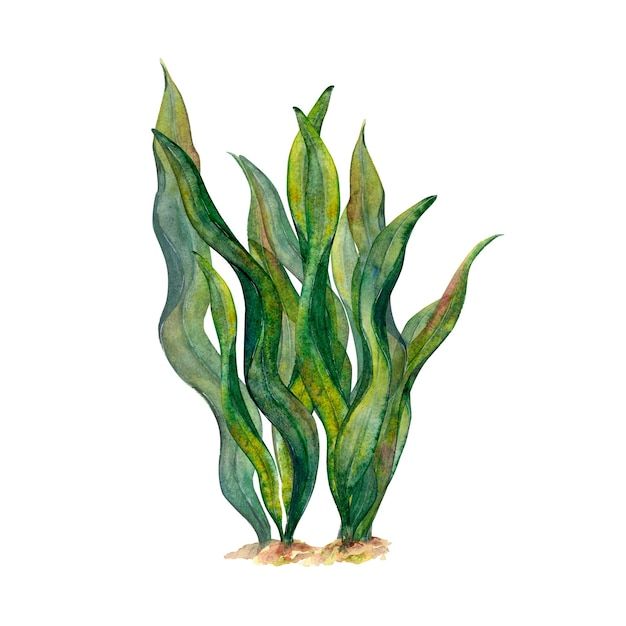
The real source of Omega-3, which is so important for health, is algae. In other words, fish do not produce Omega-3. Fish obtain Omega-3 by consuming microalgae. Therefore, if we consume algae oil or Omega-3 produced using algae, we are getting it directly from the source.
Let’s make a small comparison. Both fish oil and algae-based Omega-3 provide us with the nutritional value we need.
However, unless we consume fish oil, we may also ingest heavy metals and microplastics that are harmful to our health along with Omega-3. This is almost non-existent in algae oil consumption.
Fish oil is more easily absorbed by our bodies, but algae oils also have high absorption rates, although not as high as fish oil.
From an environmental perspective, consuming fish oil also supports fish farms and the pollution they emit.
In short, fish contain Omega-3 because they eat algae. So, when you take algae oil, you bypass the fish and go straight to the clean, original source.
The same benefits, less harm, more sustainability.
What about B12?
B12 has many benefits, such as healthy red blood cells and healthy nerve and brain function. B12 deficiency can lead to fatigue, forgetfulness, and mental health issues.
B12 is not produced by plants or animals. It is produced by bacteria found in soil, water, and animal intestines.
Animals obtain B12 by consuming unwashed plants containing B12-producing bacteria, drinking unfiltered water, or through supplements added to their feed.
Humans, on the other hand, obtain B12 primarily by consuming animal products, as animals store B12 in their tissues.
How do vegans obtain B12? Since modern foods are sterile (soil and bacteria are removed), plant-based eaters must obtain B12 through other safe and reliable means.
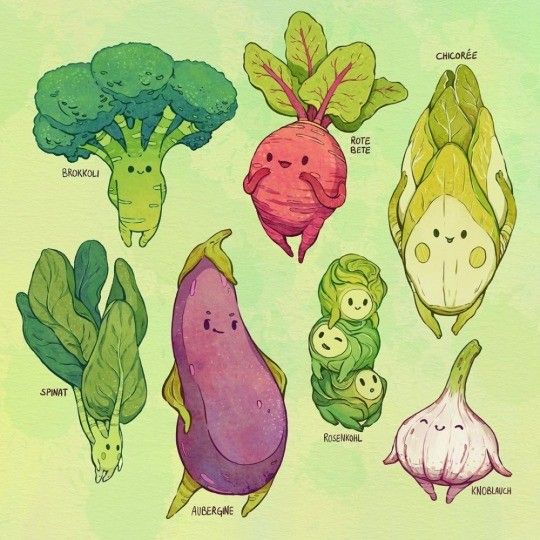
For example, most daily vegan products are fortified with B12.
Plant-based milks such as soy, almond, and oat milk, as well as breakfast cereals.
Supplements are also readily available and can be a helpful source of support.
Additionally, B12 deficiency is not exclusive to vegans. Many meat-eaters over the age of 50 also suffer from low B12 levels due to absorption issues.
Therefore, B12 deficiency is not a “vegan weakness.” It is a modern dietary issue that can be managed intelligently.
Veganism is not about depriving yourself; it is about making conscious choices. You can definitely get enough Omega-3 and B12 without consuming animal products. When sourced correctly, these nutrients are not only safe but also cleaner, more environmentally friendly, and just as effective as traditional sources.
The next time someone asks you, “Where do you get your Omega-3?” or “What about B12?”, you’ll have a scientifically supported answer ready.
Take care of yourself and live a happy, healthy life.