City squares are not just places we pass through. They hold a city’s memory within their pavements. The silence of those who lost their lives on May 1st in Taksim Square still seems to echo in that area. In Red Square, history accumulates layer by layer; revolutions, displays of power, and change still echo among those stones. And in Gaza, even though many things are no longer in their place, the memory remains there.
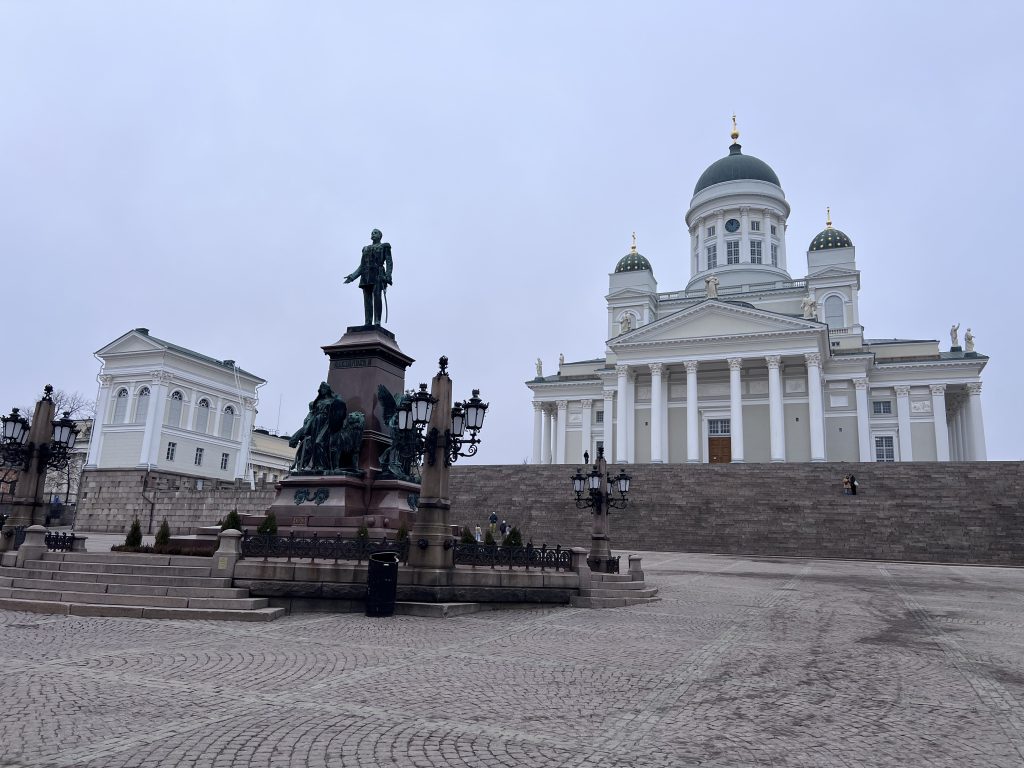
Located in the heart of Helsinki, Senaatintori, or Senate Square, is just such a place.
At first glance, what greets you is a sense of calm. It’s a broad, open, and almost overly orderly space. There’s no noise, no chaos. But when you pause for a moment and look around, you realize that beneath this simple appearance lies a multilayered history.
This square is actually one of the places where Finland’s identity began to take shape.
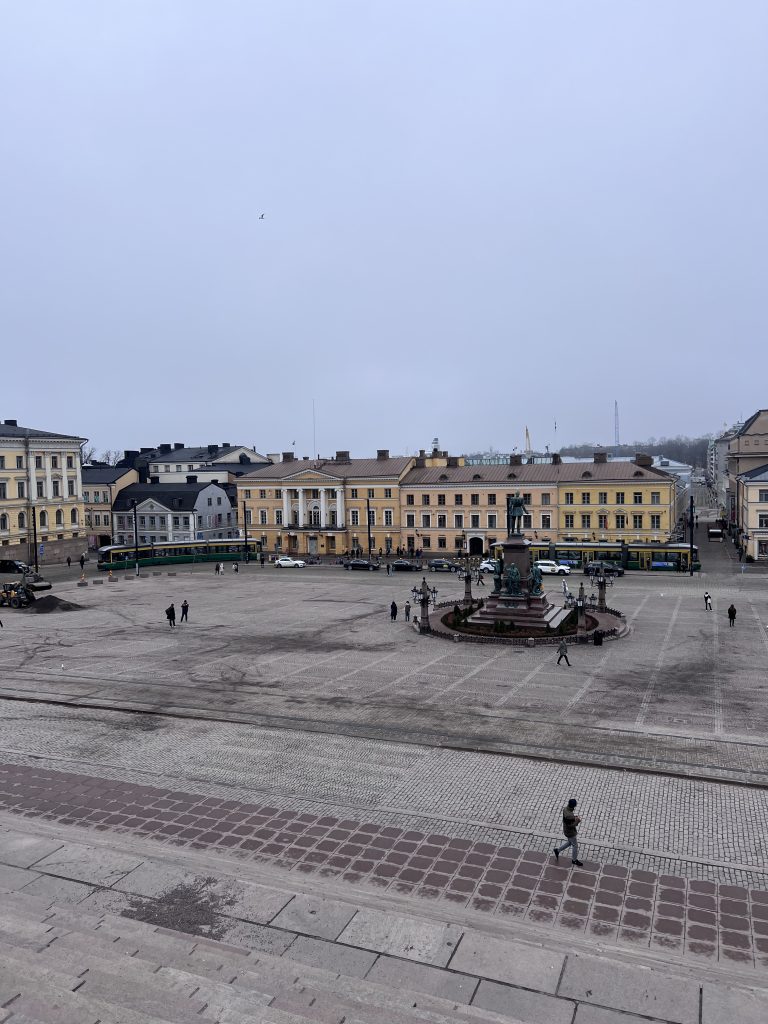
If we go back a bit, after Finland became part of the Russian Empire in the early 19th century, Helsinki was chosen as the new capital. But Helsinki was so small and quiet that it was far from being a capital city. For this reason, an agreement was reached with the German born architect Carl Ludvig Engel to give the city the feel of a capital. Engel’s design drew inspiration from classical European urban planning: a spacious square, symmetrical buildings surrounding it, and a strong focal point at the center.
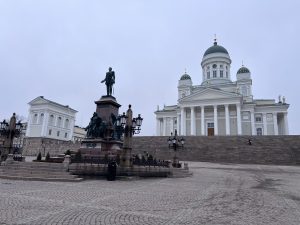
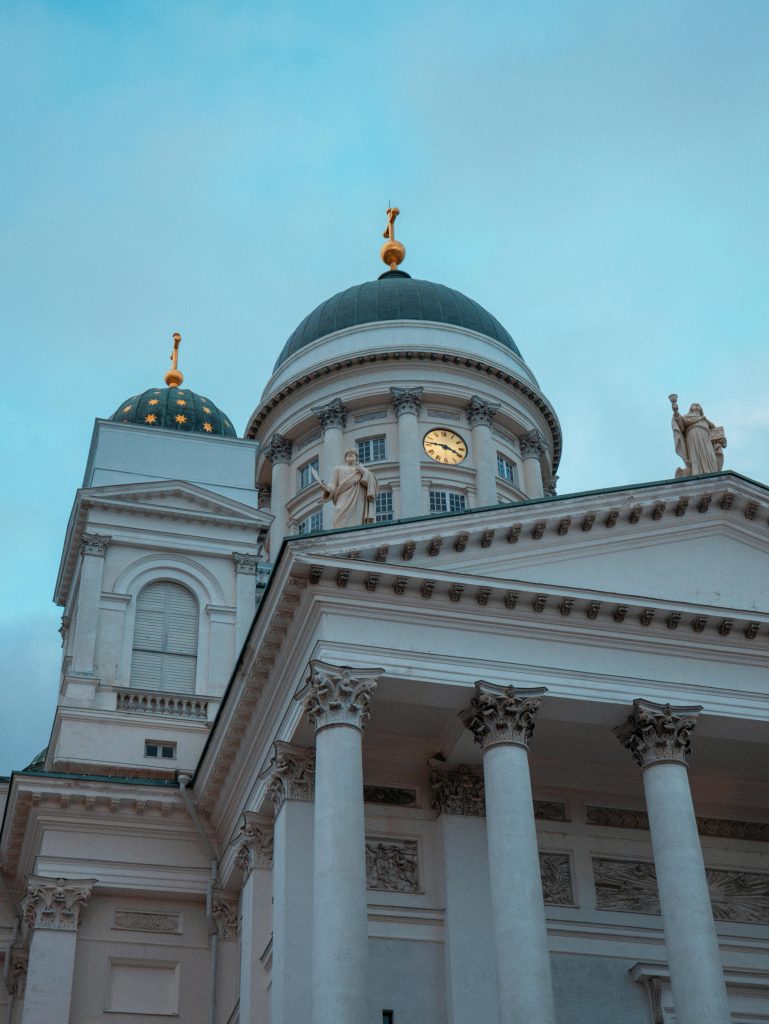
The most striking structure on the square is, without a doubt, Helsinki Cathedral.
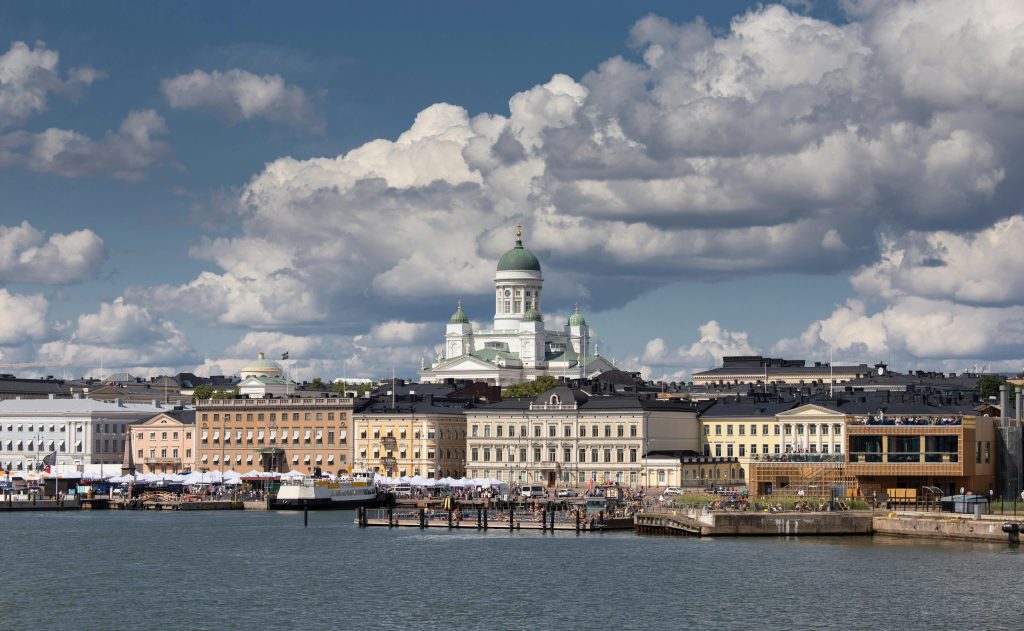
Construction of the cathedral began in 1830 and was completed in 1852. Its original name was St. Nicholas Church, and it was dedicated to Tsar Nicholas I of Russia. This detail is significant because the building carries not only religious but also political significance. The cathedral serves as a symbol of the Russian Empire’s presence in Helsinki.
The statues on its roof, however, are a detail that often goes unnoticed. These statues represent the 12 apostles of Christianity and emphasize the building’s religious identity. At the same time, these figures are elements that reinforce the sense of authority the building once held.
When you look down from its steps, you better understand why the building was placed at this exact spot. The cathedral is not just a building; it is the focal point of the square.
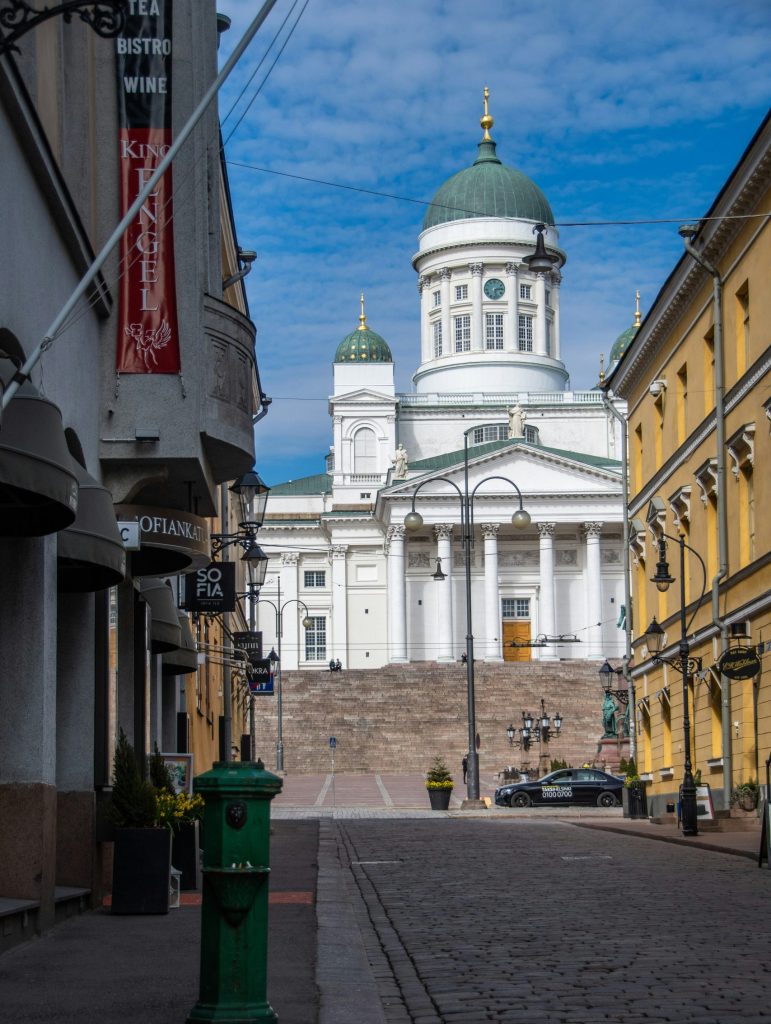
But today, that meaning has shifted somewhat. The wide steps in front of the cathedral have become a gathering place. People sit here, watch the sun, and chat. Tourists take photos, and students relax. This structure, which once symbolized power, has now become one of the city’s most relaxing spots.
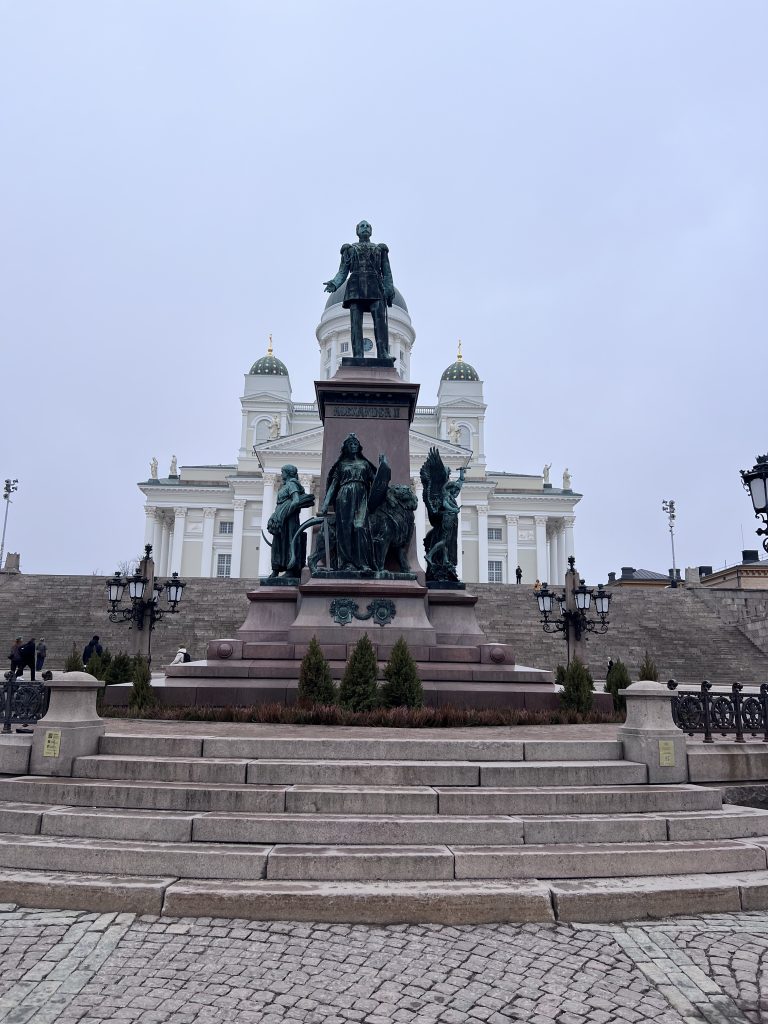
The statue standing in the middle of the square adds another layer to this story. This statue is of Russian Tsar Alexander II. At first glance, this might seem a bit contradictory. Why is there a statue of a Russian tsar in the center of a country that gained its independence from Russia?
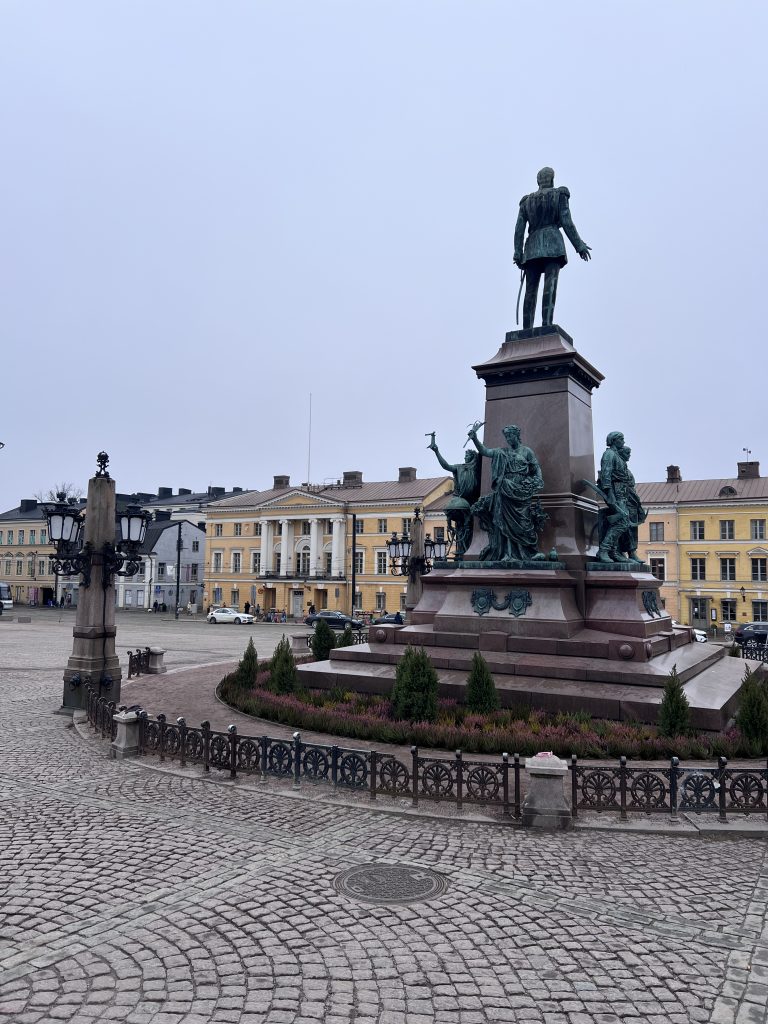
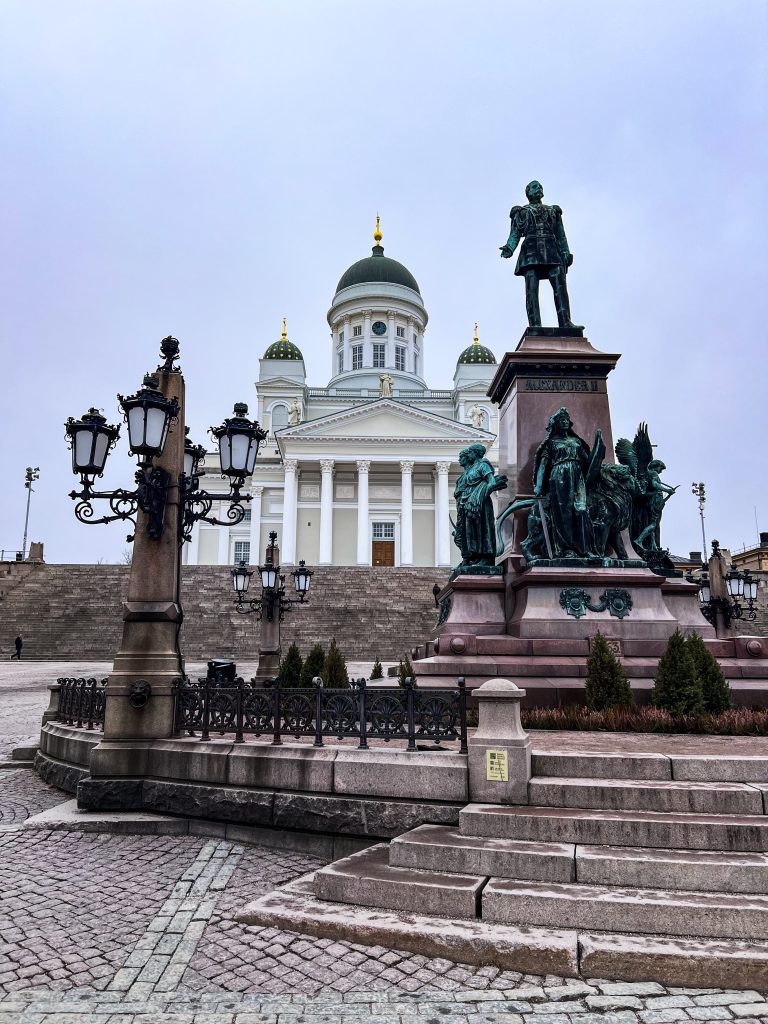
But Finland’s story diverges precisely at this point. Alexander II is remembered as a leader who granted Finland certain rights and autonomy. For this reason, the statue represents not only an emperor but also a part of Finland’s journey toward finding its own identity.
In its time, people gathered around this statue to quietly assert their rights. Not a grand revolution, but a powerful stance.
That is why Senate Square does not have a history that shouts out loud. But it has a history that is felt.
Walking through this square today, you might not notice any of this at first glance. But if you stop and look for a moment, everything gradually comes into view.
And perhaps that is why this square is not just a square, but a place where the story of how a city has changed is told in its simplest form.