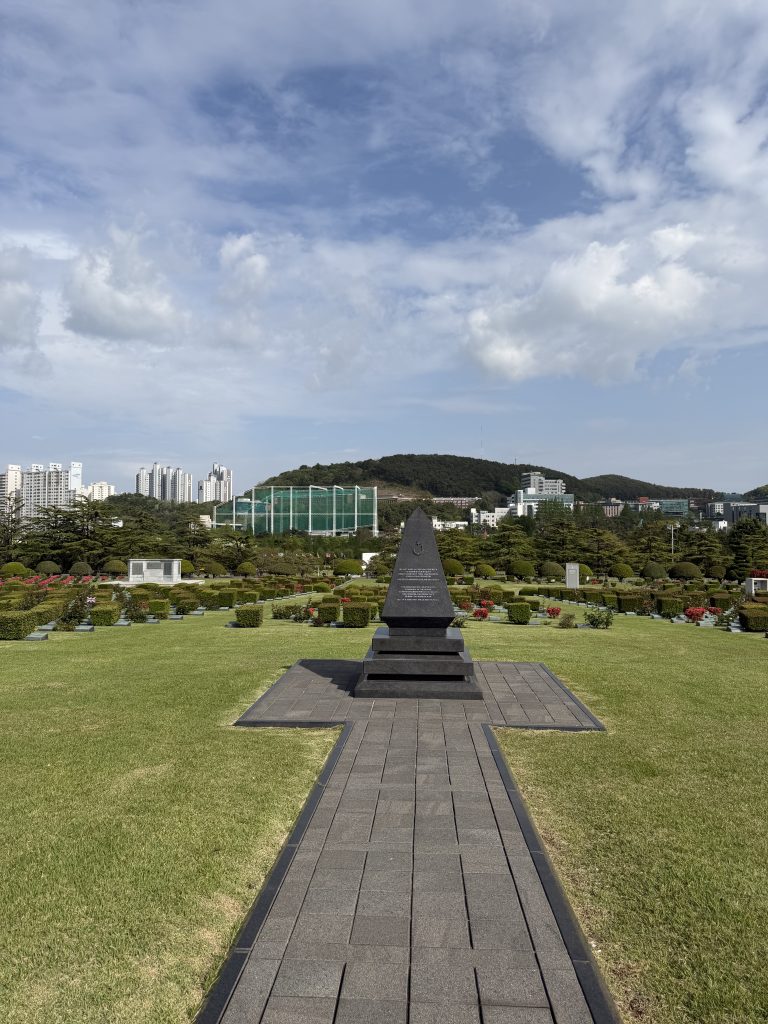
The UN Memorial Cemetery in Busan is the only United Nations cemetery in the world. It was built in memory of the soldiers who lost their lives in the Korean War and is the final resting place for many soldiers from various countries. My reason for visiting this place was to see the section of the cemetery dedicated to Turkish soldiers.
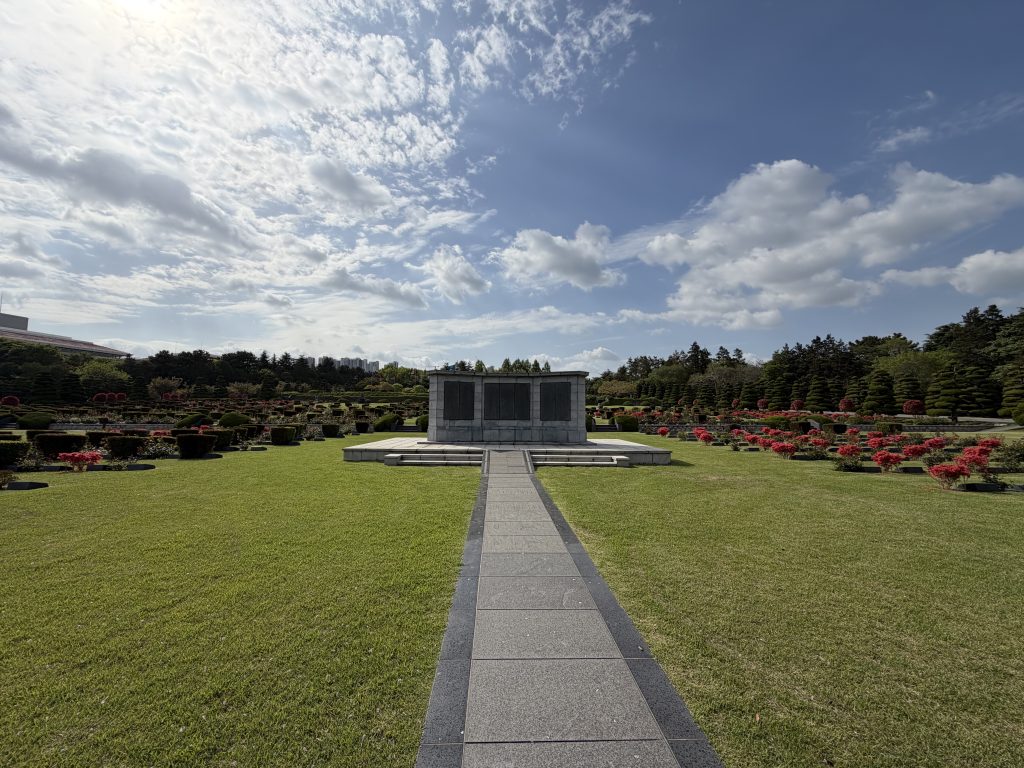
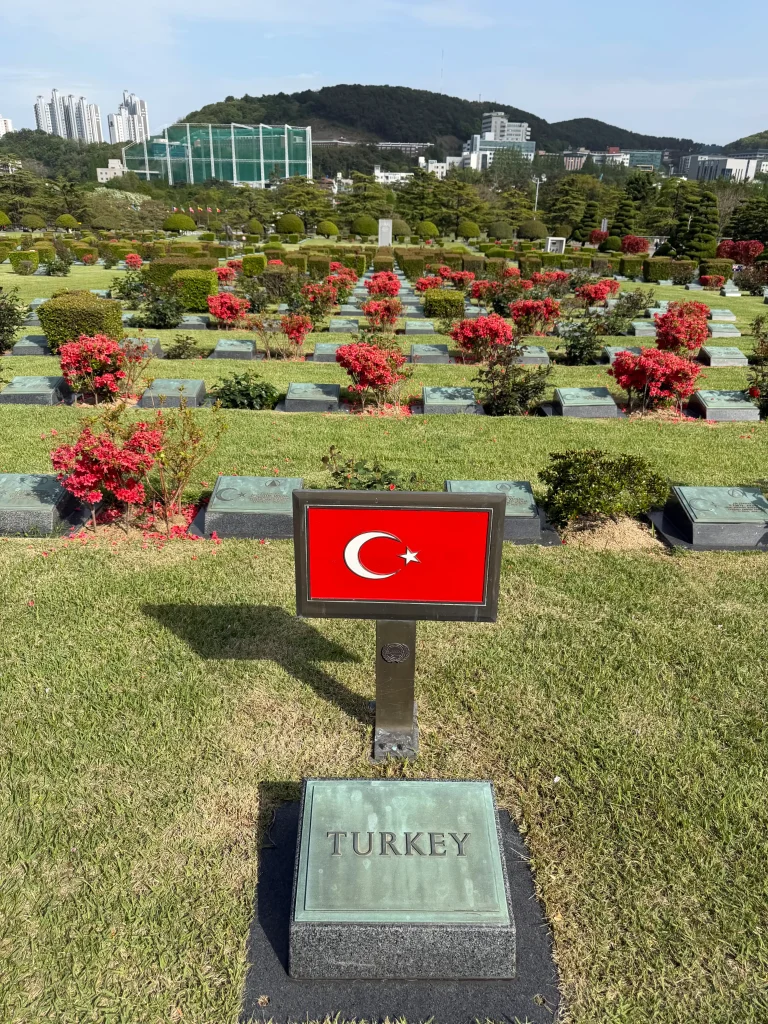
Today, this cemetery is home to the graves of approximately 2,300 United Nations soldiers from 21 different countries. It also includes 462 graves of Turkish soldiers. This figure alone demonstrates just how active a role Turkey played in the war.
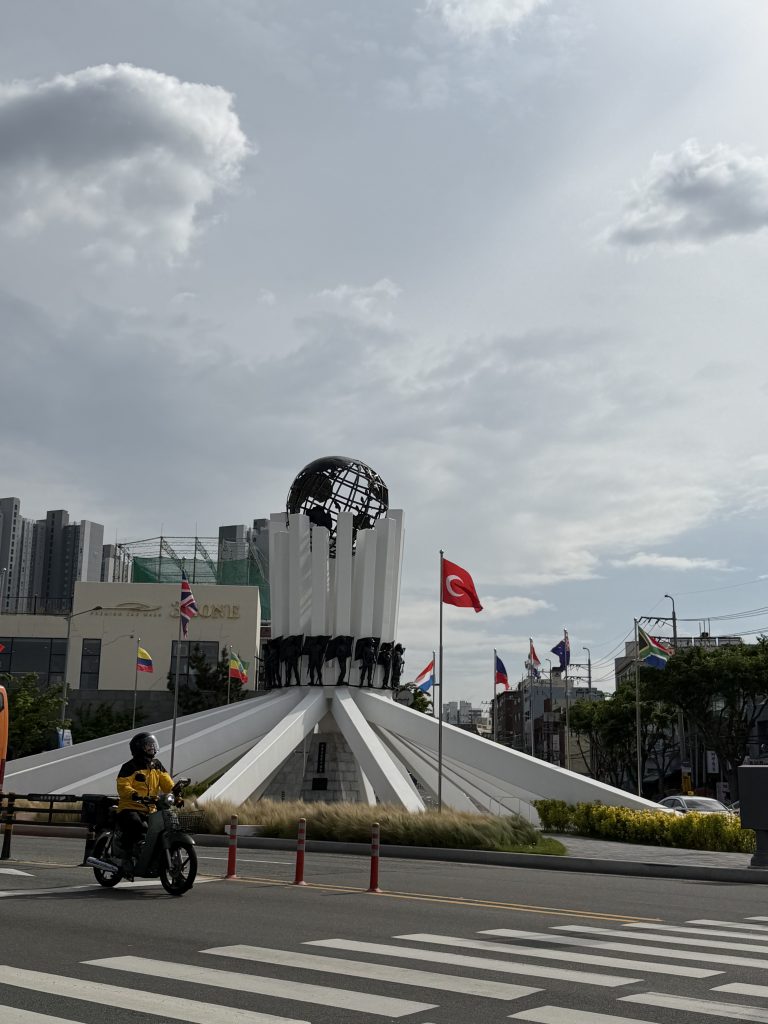
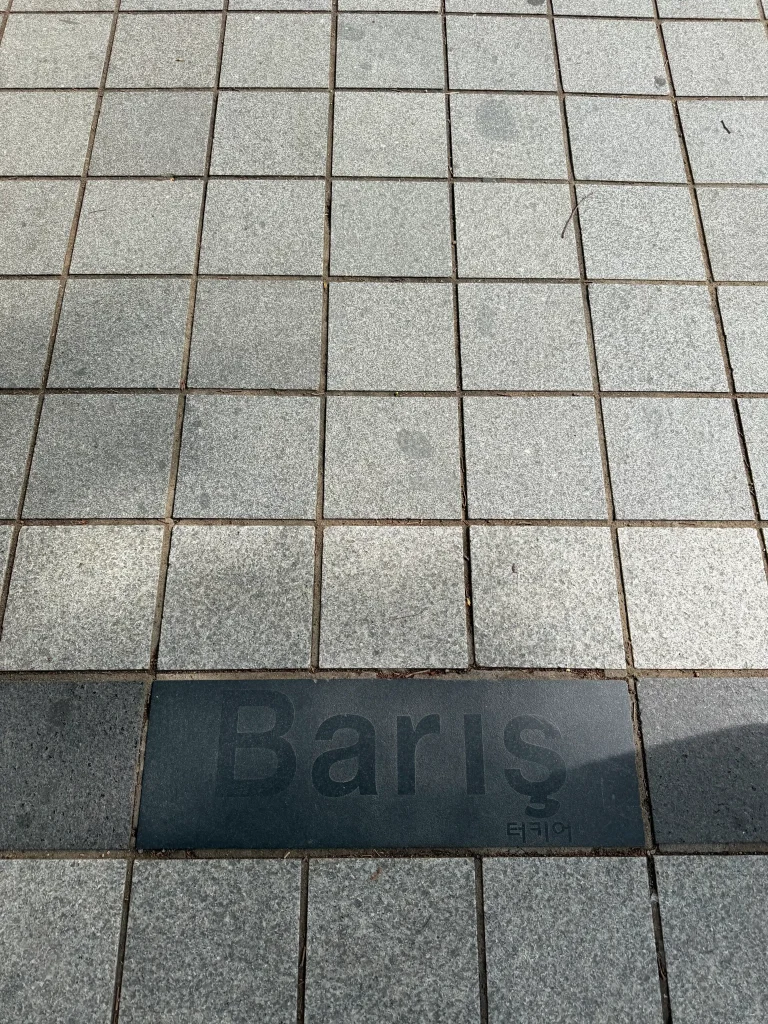
The Korean War, which began in 1950, was actually one of the first hotspots of the Cold War. In fact, it was a brutal form of warfare what we now call a “proxy war” , in which major powers fought on the territory of a third country rather than on their own soil to protect their interests. The major powers I’m referring to here are the Soviet Union, which invaded North Korea after World War II, and the United States, which was striving to establish dominance in the South. The war officially began on June 25, 1950, when North Korea attacked South Korea.
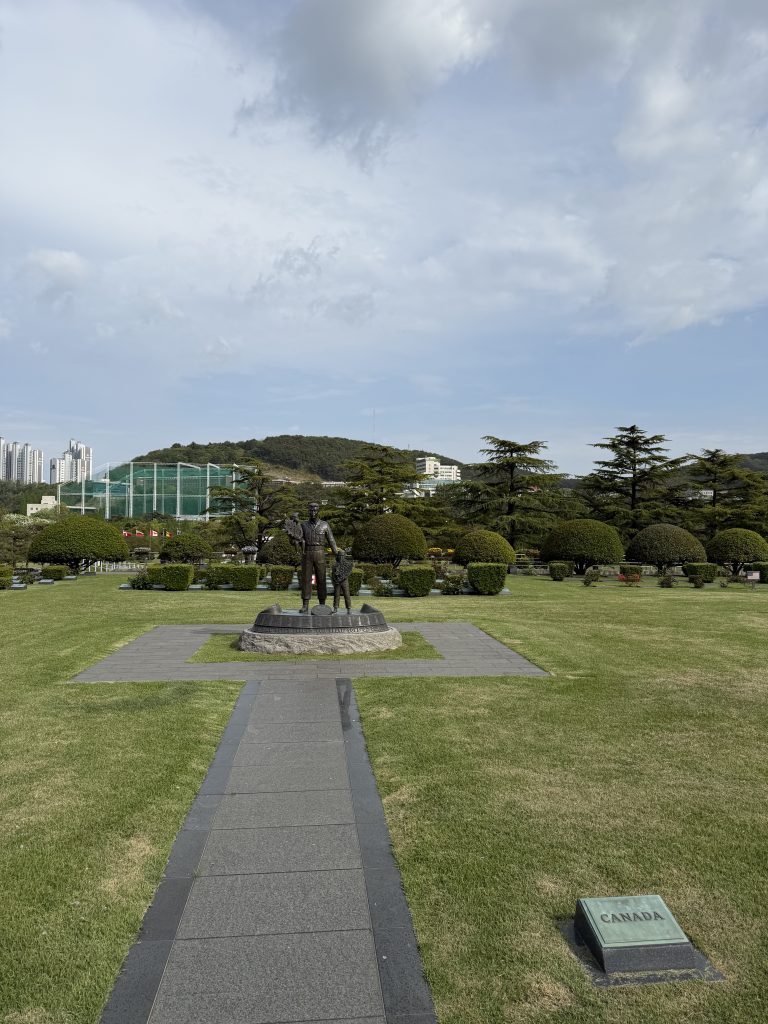
The United Nations formed an international military force to support South Korea. Turkey was one of the countries that responded to this call.
So why did Turkey send troops to Korea?
First, it was Turkey’s desire to strengthen its relations with the Western world. At that time, Turkey wanted to join NATO, and sending troops to Korea was an important step that accelerated this process.
Second, it was Turkey’s support for the United Nations and its international responsibilities. Of course, these were merely pieces of paper signed while sipping coffee in suits. Beyond political decisions, the situation was very different for the soldiers fighting on the front lines. For them, this war meant surviving and protecting the people they were fighting alongside.
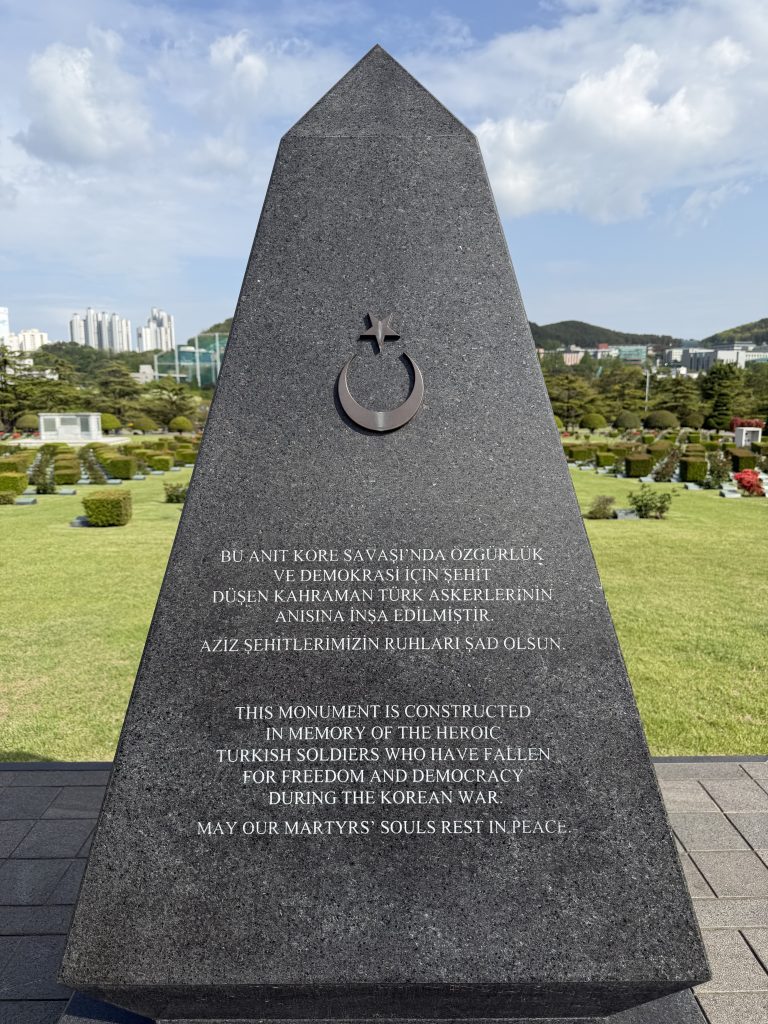
Turkey first sent an infantry brigade to Korea in 1950. This unit was later known as the “Turkish Brigade” and served actively throughout the war. In total, more than 20,000 Turkish soldiers served in Korea.
The Turkish Brigade is particularly known for the Battle of Kunuri. In this battle, Turkish soldiers held their ground against vastly superior Chinese forces, enabling the withdrawal of United Nations forces. This event is considered one of the most critical moments of the war, and the Turkish soldiers’ disciplined defense drew attention in international military circles.
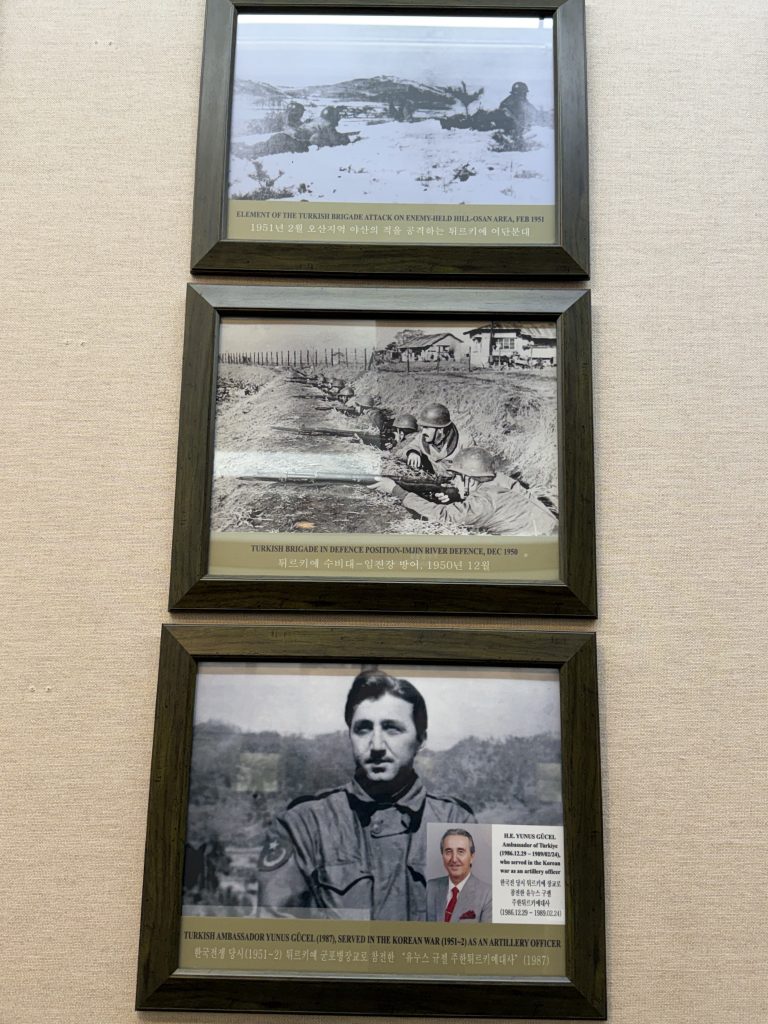
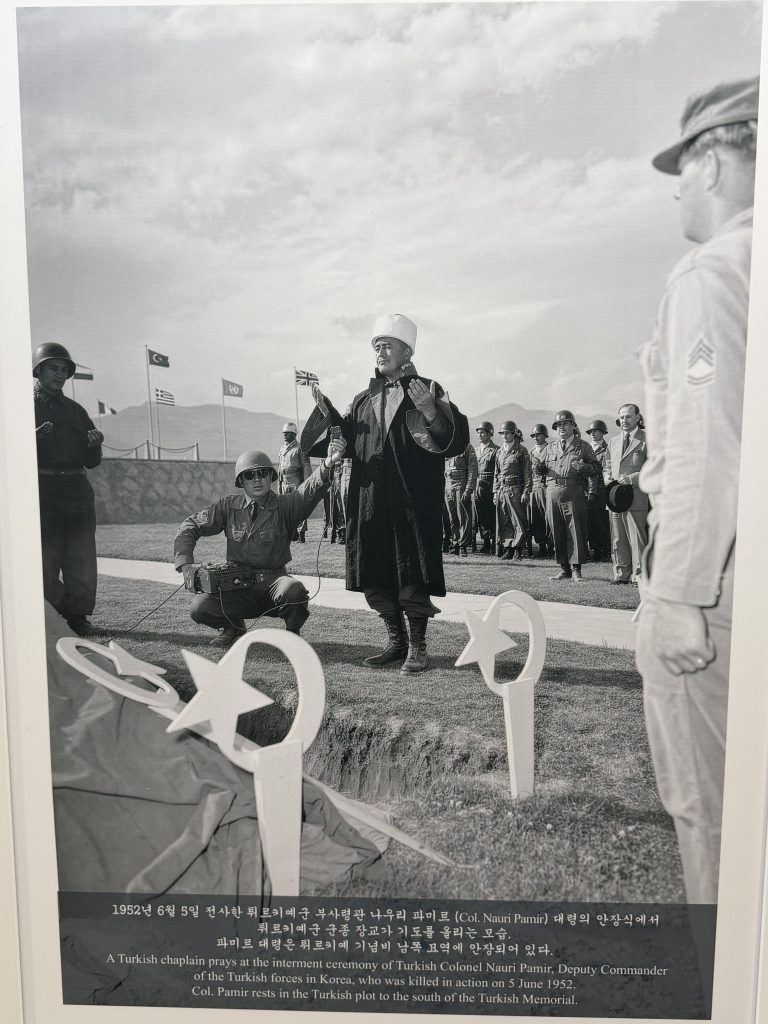
The problem was that, amid the confusion surrounding the withdrawal order, the situation could not be fully communicated to the Turkish Brigade. Turkish soldiers were still defending their positions. The Turkish Brigade found itself under heavy siege near Kunuri. The weather was cold, communications were poor, and ammunition was limited. Despite this, the Turkish soldiers refused to withdraw and continued to fight. However, this resistance had a very significant outcome: it bought time for the United Nations forces to withdraw.
During the battle at Kunuri and other engagements, many Turkish soldiers were taken prisoner. Some soldiers spent months in Chinese camps under harsh conditions. Hunger, cold, and disease were a daily reality in the prisoner of war camps.
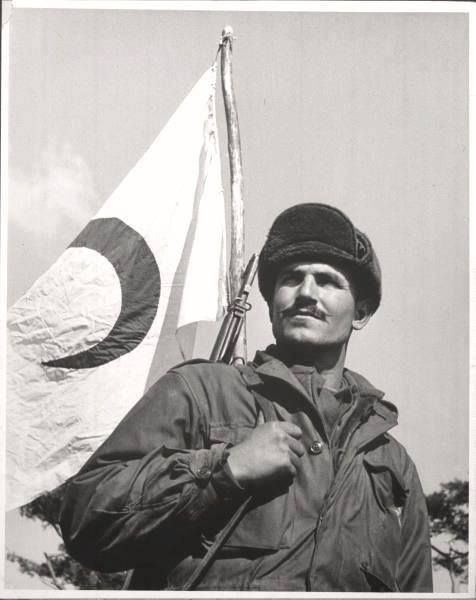
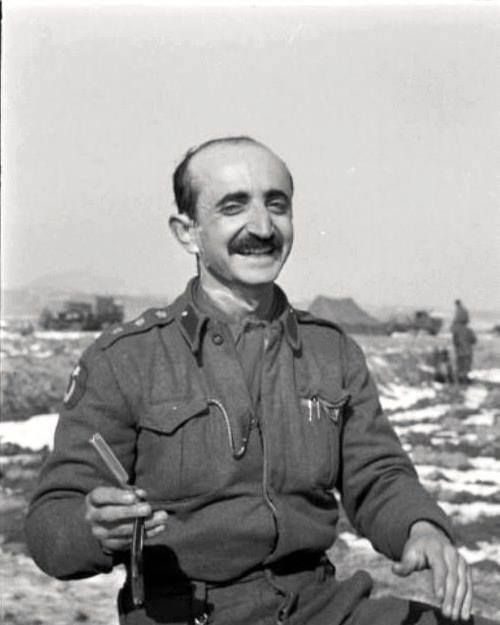
Turkish troops played an active role not only in this battle but also in the Battle of Kumyangjang-ni and other engagements. Throughout the war, approximately 15,000 Turkish soldiers served; a total of 721 soldiers lost their lives, thousands were wounded, and some soldiers were never heard from again.
During the war, many Turkish soldiers helped orphaned children, shared their food, and even supported educational activities in some regions. It is also known that after the war, Turkish soldiers remained in Korea to carry out humanitarian aid activities.
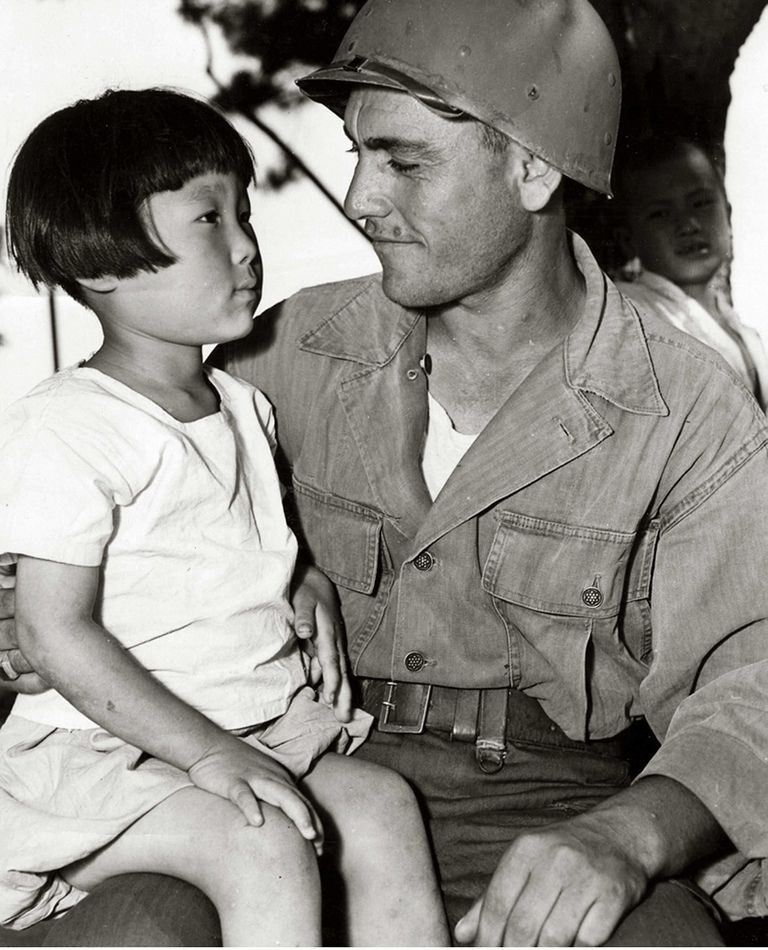
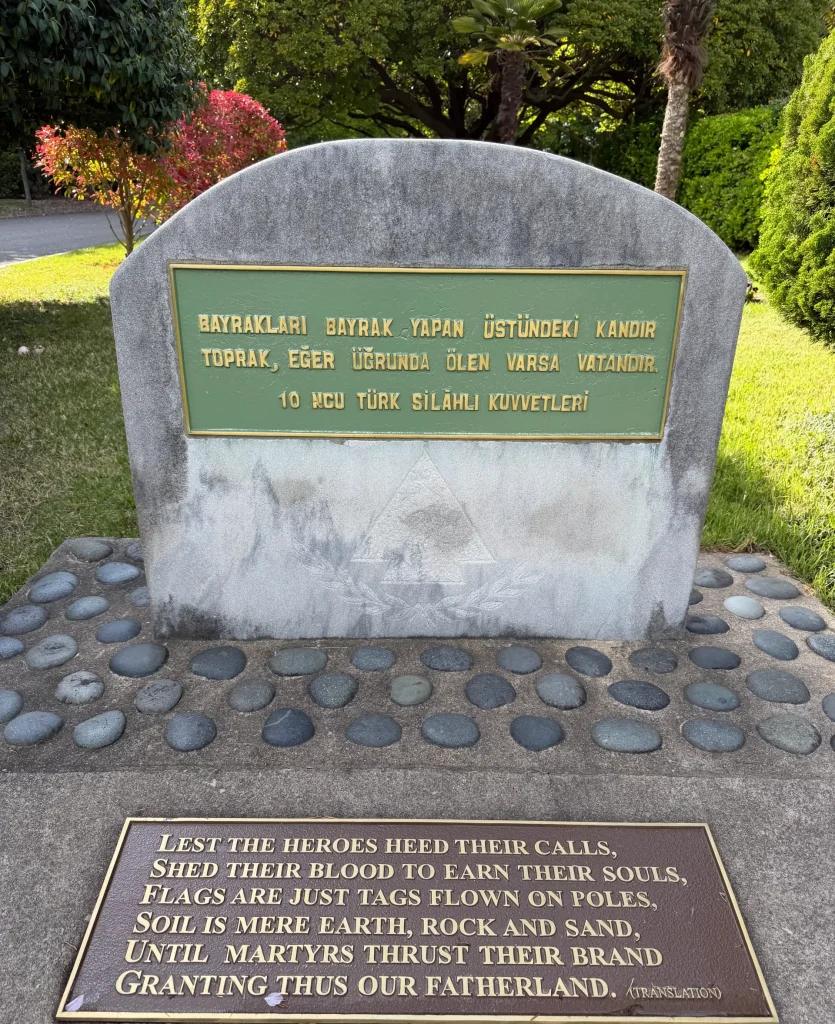
That is why there is a special affinity toward Turkey in South Korea today. The term “sister country” is not merely diplomatic rhetoric; it is rooted in historical experience.
The Korean War technically ended not with a peace treaty, but with an armistice. The armistice agreement signed on July 27, 1953, brought the fighting to a halt, but the Korean Peninsula still officially exists as two separate states.
The headstones in the Turkish section bear the names, ranks, and hometowns of the soldiers. These graves preserve the memory of soldiers who lost their lives thousands of kilometers away from Turkey. The bags in the photograph contain soil brought from various provinces of Turkey.
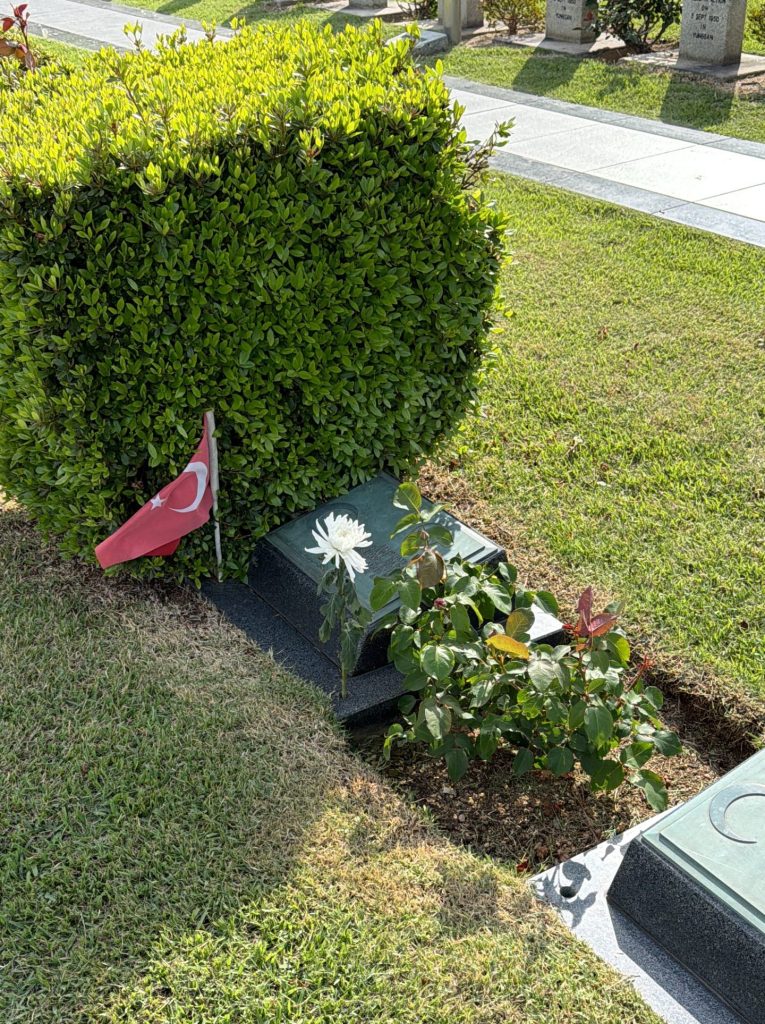
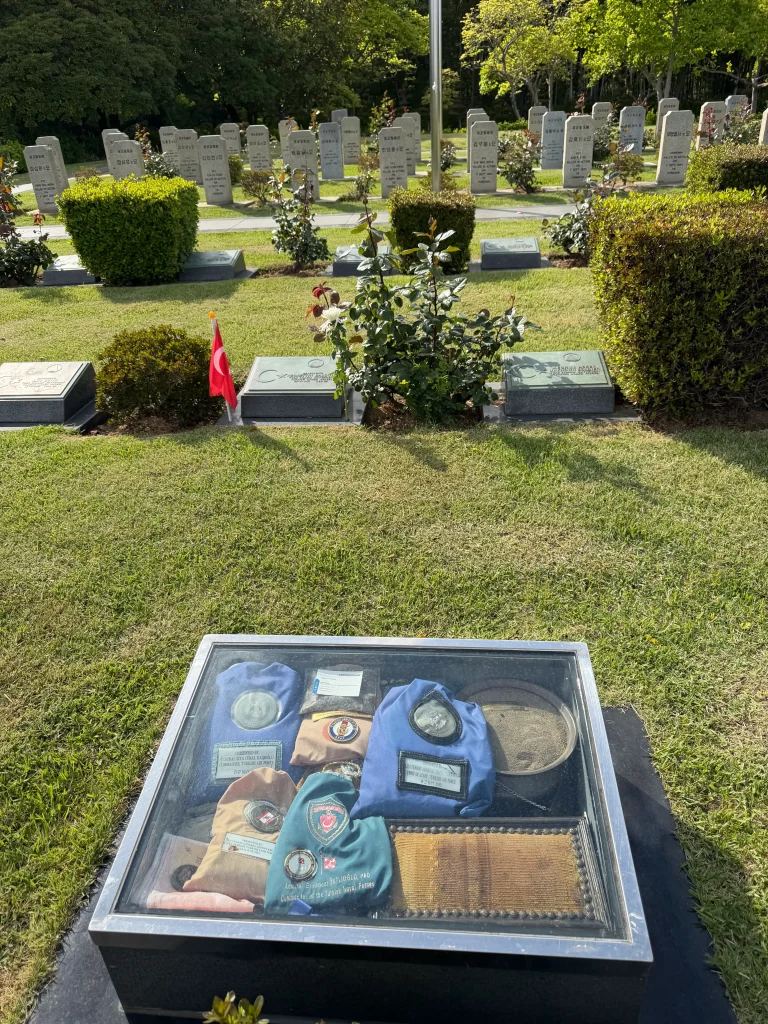
There are young people, some of whom are in their early 20s.
People who fought thousands of miles away from home.
Soldiers who may have come here knowing nothing about Korea.
And that quiet cemetery in Busan remains the most powerful reminder of this.