Spring arrives quietly in the north. There is no sudden explosion of color in the fields. Nature awakens slowly, and this awakening is reflected in the cities. The snow melts, revealing the stone streets. As the ice melts, the seas and lakes begin to breathe again, and the sun stays in the sky a little longer each day.
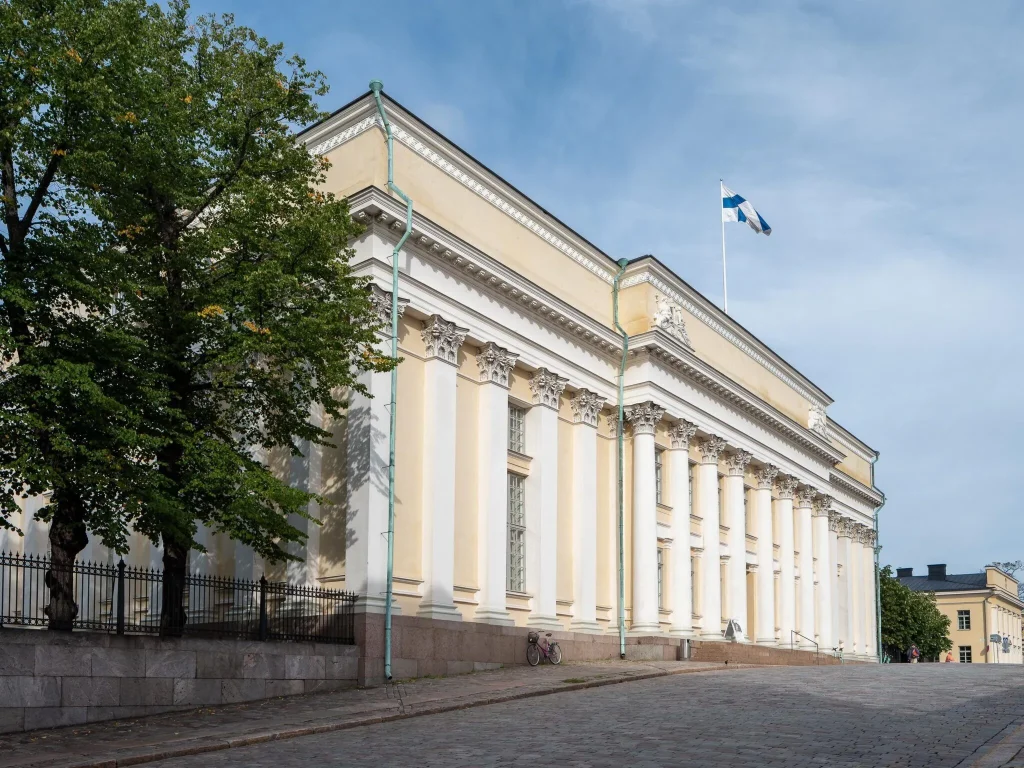
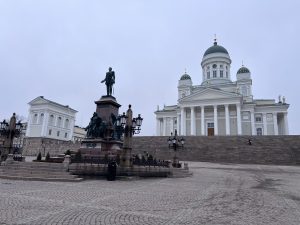
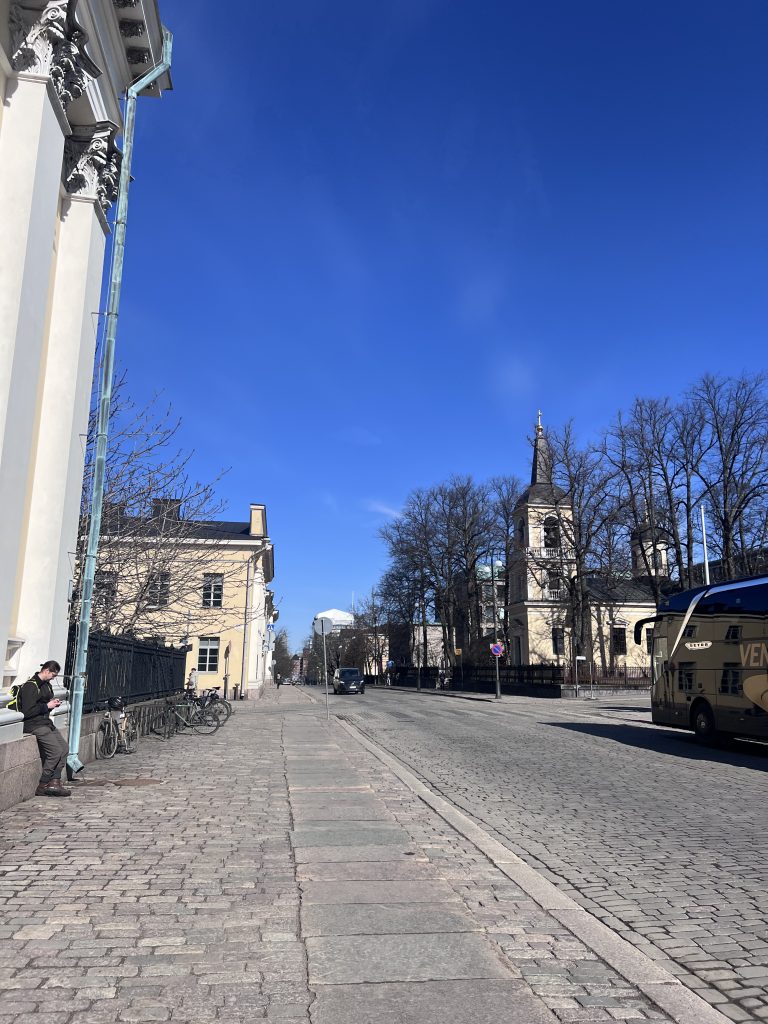
It was precisely during this period of awakening that I traveled to Finland. After visiting Helsinki Cathedral on a bright, mild day, a modest building right next door caught my eye. A door with no long waiting lines, no signs advertising it from far away. The National Library of Finland.
The moment you step through the door, the atmosphere changes. Warmer, calmer. A structure of such sanctity it could be called a temple greeted me.
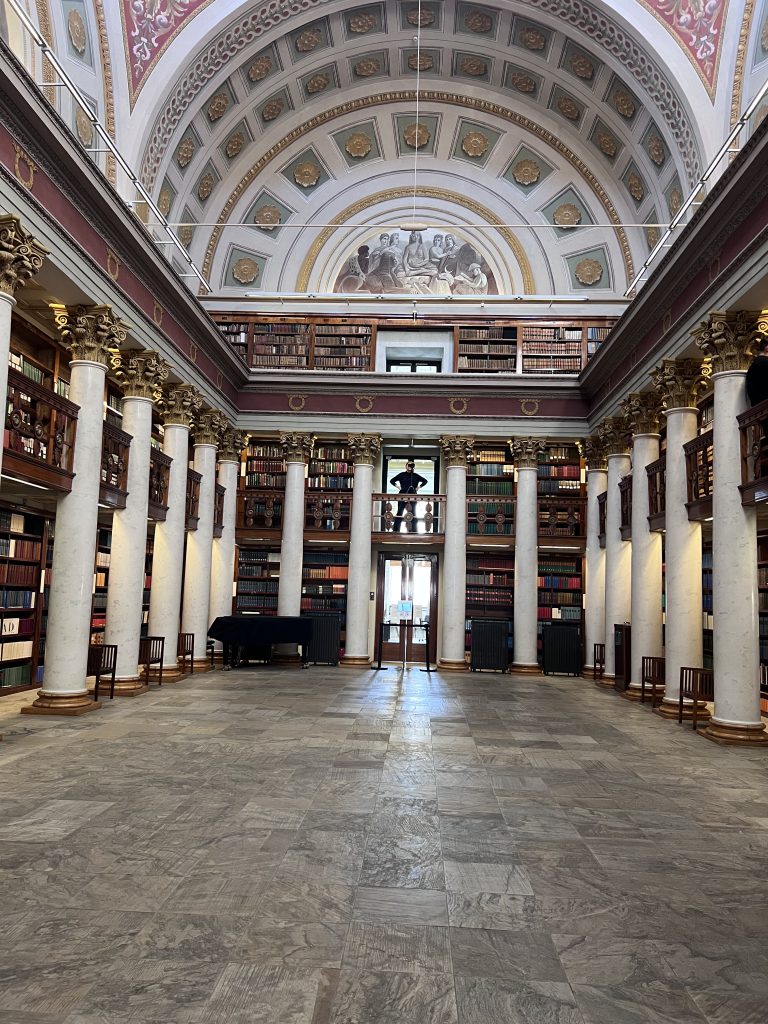
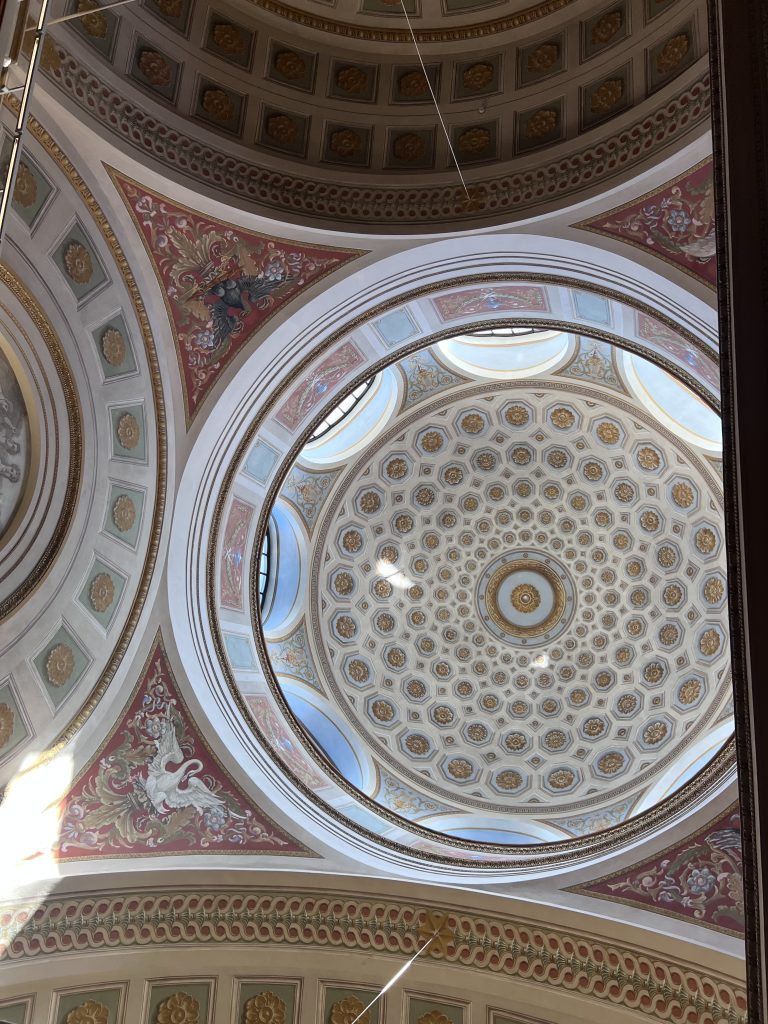
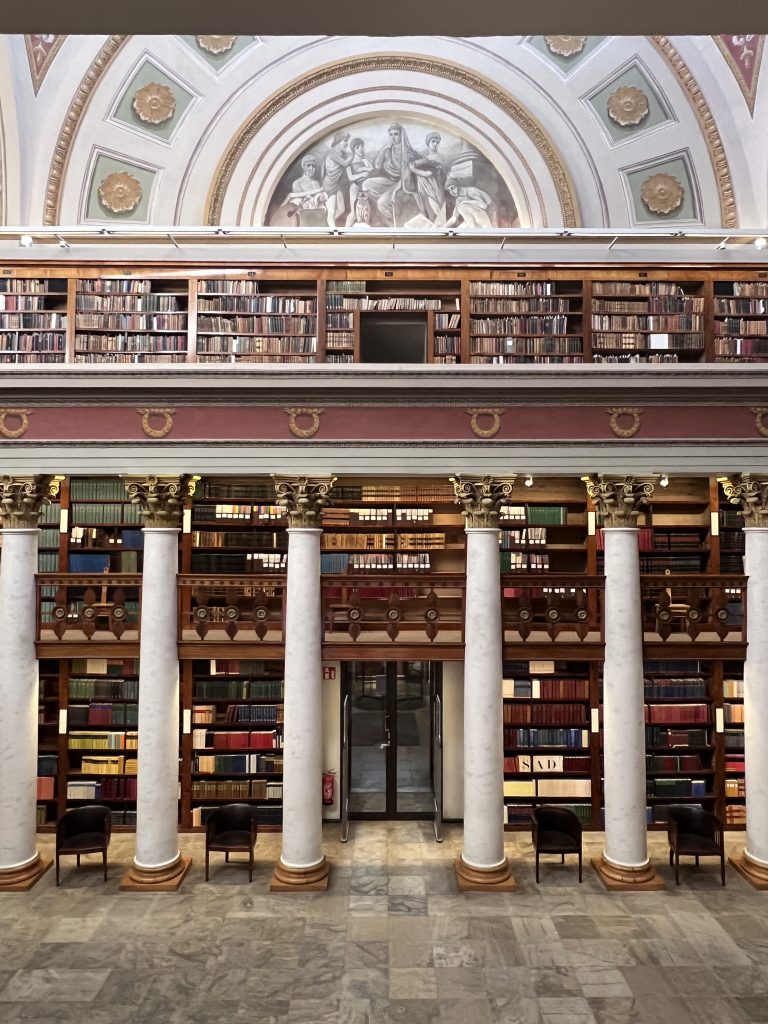
When I looked up, I saw a dome arching overhead. Painted in pastel tones with gold accents, the ceiling reflected the spring sunlight so beautifully that the space seemed to soften.
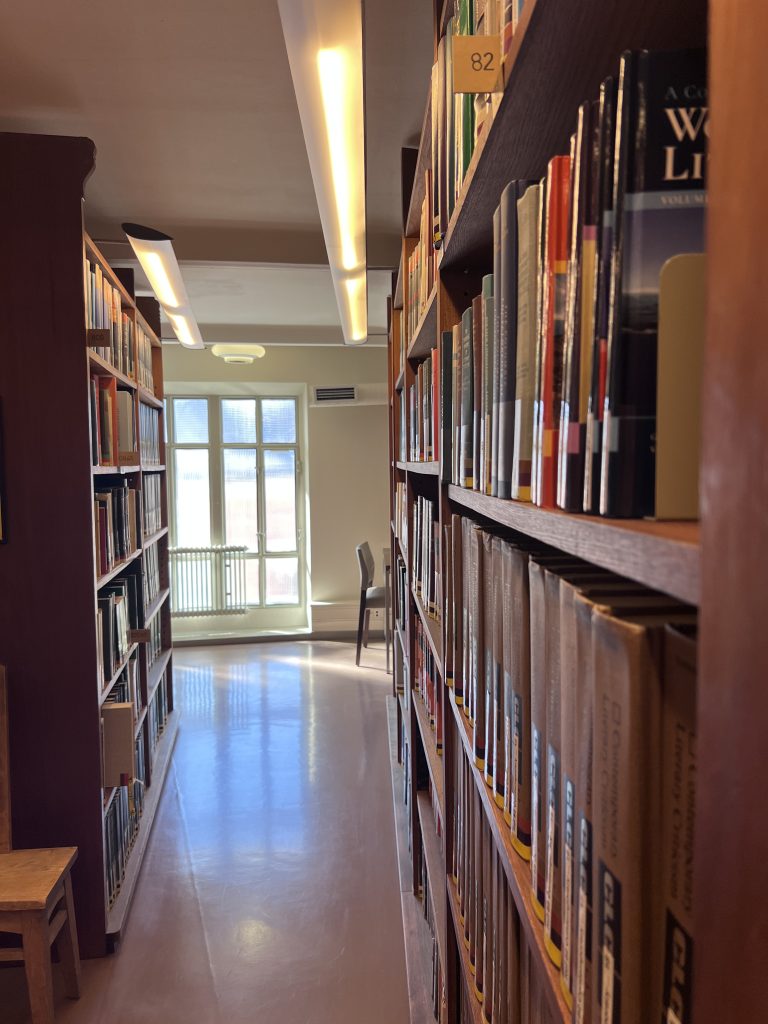
There weren’t many people inside. Or perhaps they simply didn’t stand out, because what caught my eye were the tables and chairs scattered randomly among the shelves throughout the library. Some were by the window, letting the sun shine on their books, while others were leaning against the cast iron radiators.
The history of this library is deeply connected to Finland’s past. A major fire that broke out in Turku in 1827 destroyed the country’s academic center at the time, along with countless books and manuscripts. In this sense, Helsinki emerged as a new beginning.
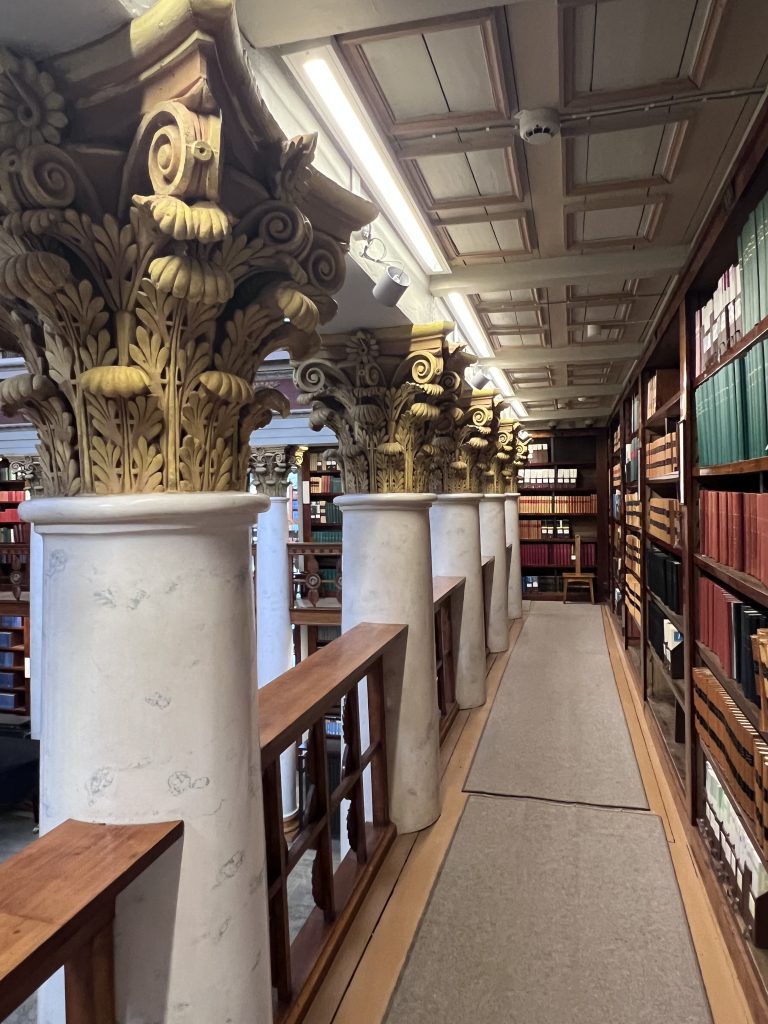
Established in connection with the University of Helsinki, this library quickly took the place of the old library that had burned down. A name I mentioned in my previous post also appears here. The building was designed by Carl Ludwig Engel and has taken its place as part of Helsinki’s Neoclassical identity.
You might get the impression that there are no other libraries here. Finland has a truly delightful library culture. Libraries aren’t just places for reading or borrowing books; they’re actually spaces for socializing. During my time here, I visited a library every day, and I even went to the library on campus.
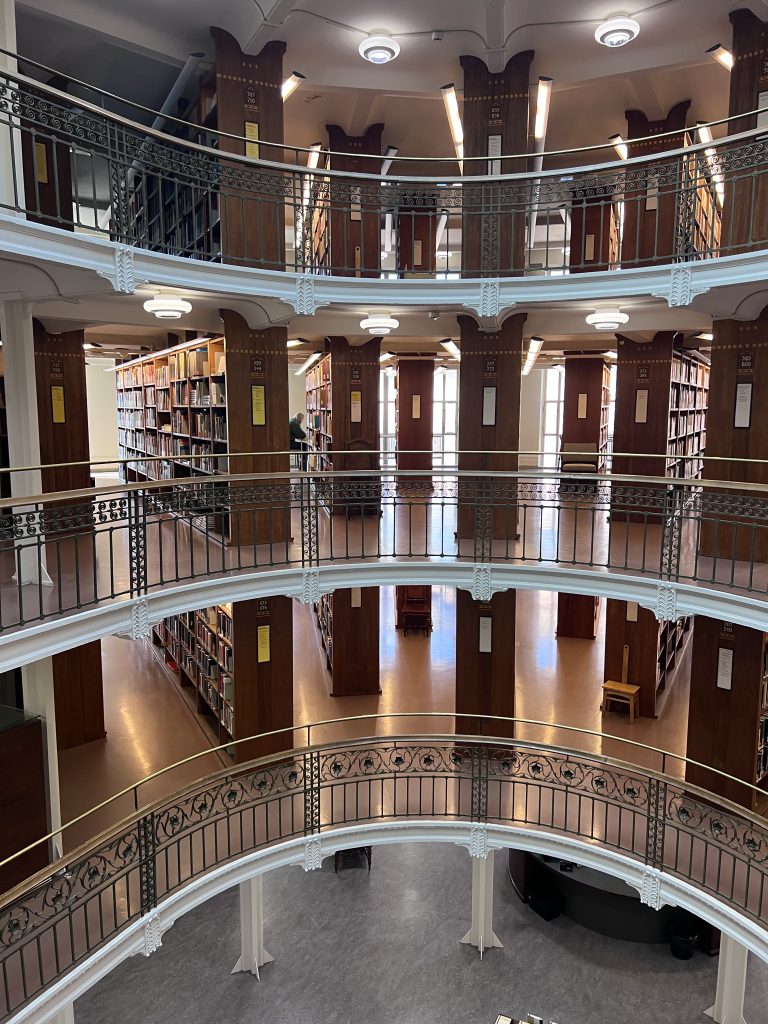
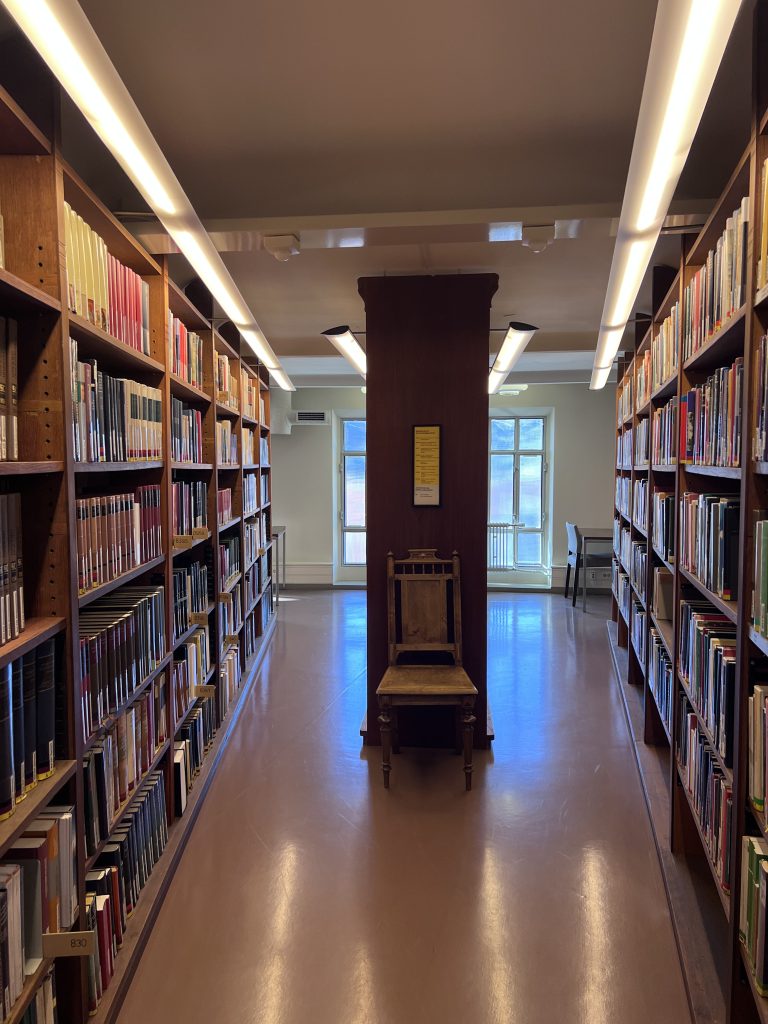
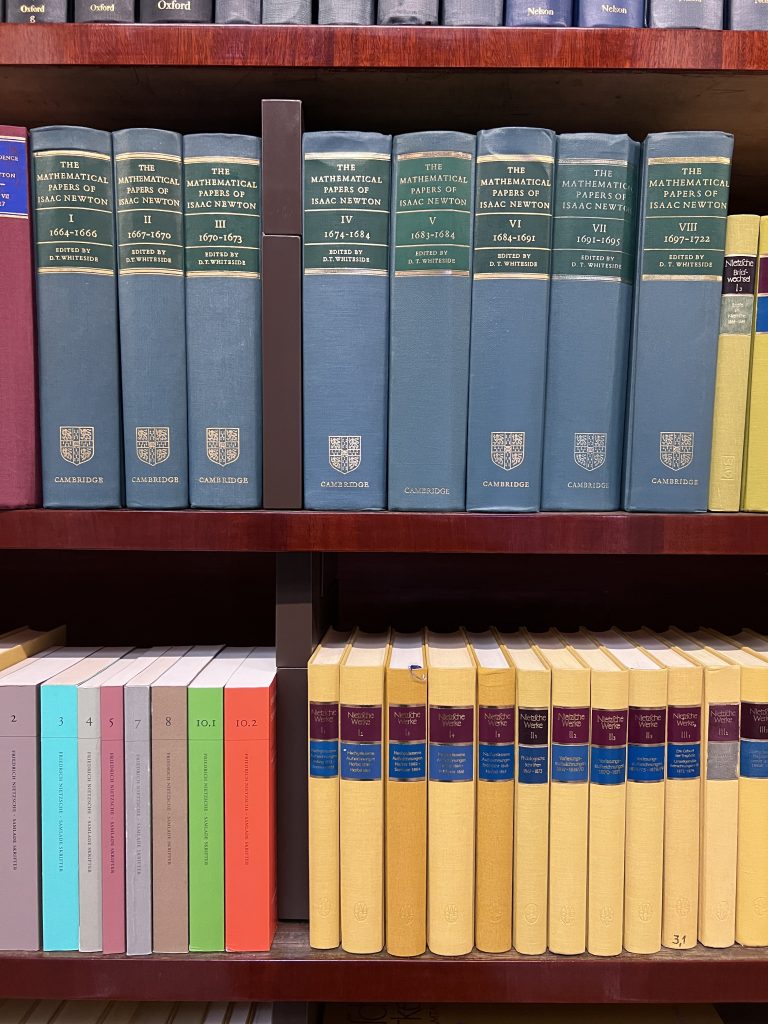
Among all these libraries, there is something that makes the National Library unique. It’s not just its architecture, but the fact that it preserves a nation’s memory. In other words, it is essentially a “repository of knowledge.” A copy of every work published in Finland is stored here. It’s not just books. Newspapers, magazines, small local publications, music recordings, digital content. In short, this library houses a collection comprising millions of items.
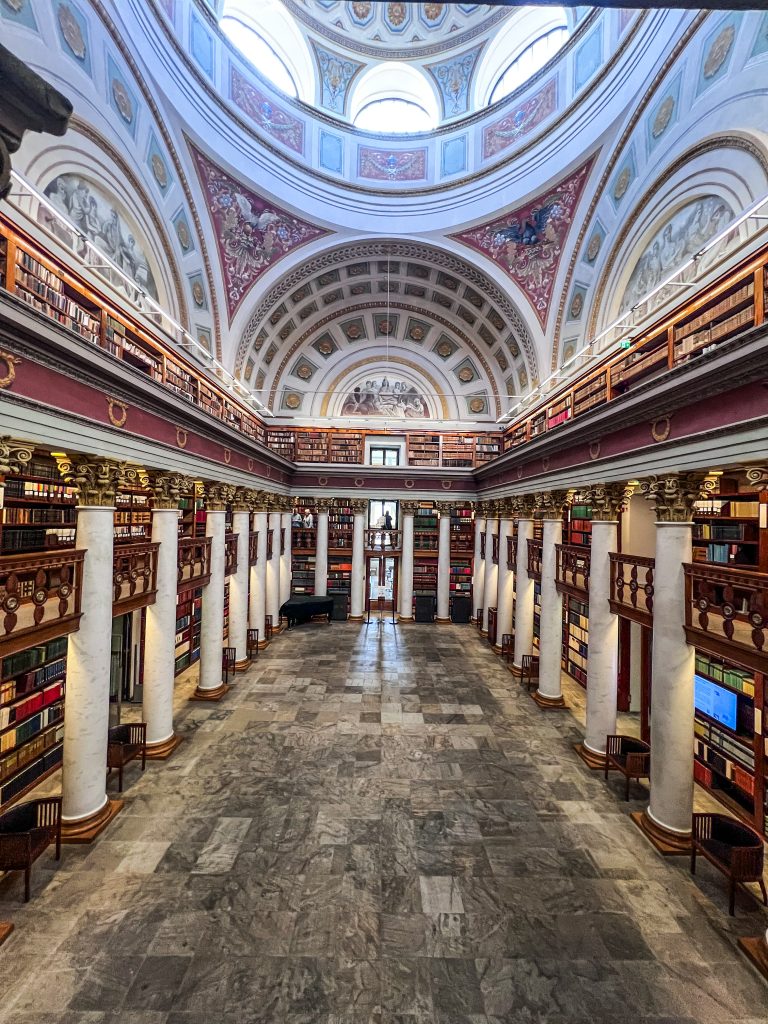
When I reached the center of the library, a dome opening upward caught my eye. The ceiling, adorned with intricate details and painted in soft blues and pastel tones, seems to invite the sky inside. The dome was designed to make efficient use of natural light within the library. As a result, the library feels different at various times of the day. In the morning, it’s serene and fresh; in the afternoon, warmer and more profound; and by evening, almost melancholic.
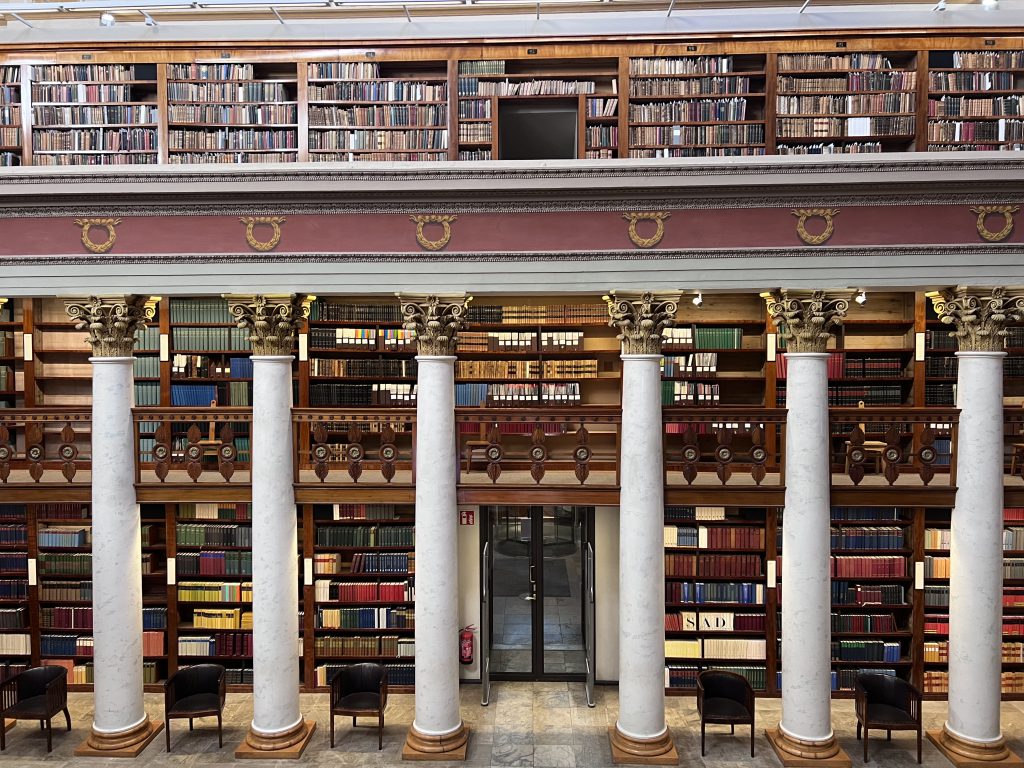
And people traveling through the pages of books. In one corner, a student, likely studying for an exam. At one point, I noticed someone sitting beneath the dome. It seemed as though they hadn’t moved for hours. They held a single book in their hand. It was as if time wasn’t moving with them, but passing them by.
This place is more than just a library. There’s a stark contrast between the inside and the outside. Life flows outside, while time seems to stand still inside.